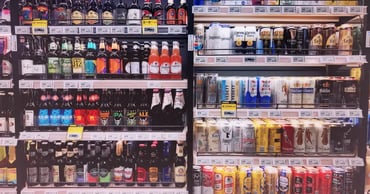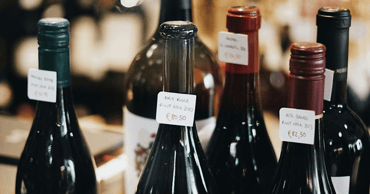



Find out how local competitors are pricing their products.
Find the right inventory balance without the guesswork.
Only50% of small businessessurvive past their fifth year.
What's the difference between a good liquor store and a great one? It's all in the management. A good store might meet the basic requirements of inventory and customer service, but a great store goes the extra mile to optimize every aspect of its operations. If you want to run a profitable liquor ...
Just like a steady flow of spirits keeps a party going, a constant flow of inventory keeps your liquor store’s bottom line growing.
Managing inventory for a wine store can feel a lot like you’re physically juggling all those bottles!
Managing liquor inventory can be a sobering challenge. Stock too much, and you're carrying useless bottles. Too little, and you're losing money. What if tracking all your liquor store essentials was easier?
There's a quiet shift happening in liquor retail, and it can feel unsettling at first. More customers — especially millennials and Gen Z — are asking for low-ABV and nonalcoholic (NA) options, or are shopping with moderation in mind, mixing NA products into their basket alongside their regular ...
Your liquor store's reputation is built on the shelves you stock — but it lives or dies on the staff you hire.
Liquor sells itself. Or does it?
Running a liquor store can be a fun and rewarding business, but it's not without its challenges.
Running a wine store in 2026 means managing thousands of SKUs across dozens of producers, balancing in-store traffic against a growing online customer base, staying compliant with state alcohol regulations, and competing with subscription boxes that ship directly to your customers' doors.
Owning and running a wine store presents difficulties that other small businesses don’t: state-mandated alcohol regulations, underage customers, thousands of individual SKUs, and more. That’s why using a wine-specific POS system is so important – it can make a huge difference in your day-to-day and ...
Asking, “How much does it cost to open a liquor store?” is like asking, “How much does a bottle of wine cost?”
Inventory is the single largest ongoing expense for most liquor stores — and for new owners, it is often the cost that catches them most off guard. Before you can open your doors, you need enough stock to fill your shelves. Once you are open, that investment never stops. So how much should you ...
Ask any liquor store owner what's on their mind heading into 2026 and you'll hear the same themes: Costs are up, customers spend less per visit, and younger shoppers want something different than what their parents bought.
Do you drink the same cocktail on a warm summer night as you do at Christmas? Most likely not.
It's 1992. No smartphones, no GPS. You're getting ready to go on a road trip. Everyone's excited. You're ready to hit the road. And then you realize you don't have a map.
Many people dream of owning a small business.
Owning a liquor store can feel like having multiple jobs all at once.
Imagine mixing up a martini. You choose a sparkling glass, select a plump olive, and stir it to perfection — but if you skimped on the most important ingredient, you will be disappointed when you take that first sip.
If you sell beer, wine, or other canned alcoholic beverages in certain states, bottle deposits are part of your daily operations — whether you’ve fully figured them out or not.
A customer walks in and asks for a full-bodied red under $30 that pairs well with lamb. You know the perfect bottle. But when you ring it up, your system crashes. The inventory count is wrong. You're not sure if you even have it in stock.
Running a liquor store is a nonstop job. Between providing shoppers with top-shelf service, managing the constant flow of bottles in and out of your store, and keeping up with the other day-to-day demands of running a small business, you might feel stretched thin.
A last-minute knock on the door from a liquor authority inspector is rarely something you expect. But unannounced inspections are standard practice, and every liquor store owner should be ready for one at any time.
If you've read the news lately, you'd think the entire liquor industry is about to join Blockbuster in the graveyard of American commerce.
Every week, liquor store managers handle a steady stream of deliveries and invoices. It’s a tedious process of writing checks, logging inventory, and hoping nothing slips through the cracks.
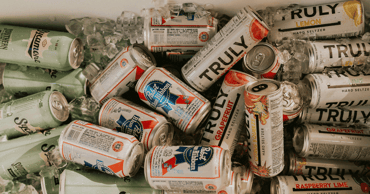
Five years ago, the ready-to-drink (RTD) cooler was mostly filled with hard seltzers and maybe a few premixed margaritas. Now it's one of the fastest-growing sections in liquor retail — and if your RTD section still looks like it did in 2021, you're behind.
Most liquor store owners accept breakage as part of the job. A bottle here or a damaged shipment there is just the cost of doing business. But here’s the problem: If you never stop to add it up, you don't realize how much it's actually costing you.
What do we mean when we classify a business as high-risk? It may surprise you that it has less to do with the physical security of your store and more to do with the financial side of things.
What’s stopping your best customers from signing up for a wine subscription box and skipping your store altogether?
Running your liquor store is already a challenge.
“Customer segmentation” may sound like something reserved for national chains — but that couldn’t be further from the case, especially for liquor stores in 2026.
You know you should be posting on social media to boost business in your liquor store, but every time you sit down to try to create content, you draw a blank.
You’ve run your liquor store long enough that you have a sixth sense about upcoming trends, and you know all your regulars by name. Your instincts have served you well in building your business. But lately, things feel different.
When it comes to beverages, you’re an expert.
“Drink less, but drink better.”
Managing a liquor store comes with a lot of moving parts. You’re keeping track of case breaks, age-restricted sales, pickups and deliveries, thousands of SKUs — all while protecting tight margins. The tools you use shape how well everything works together, with your point of sale (POS) system at ...
Premium mixers can change the game for an independent liquor store.
Gen Z is the newest generation of legal drinkers (about age 21–27). A lot has been written about how Gen Z’s drinking habits are changing, and how they’re destroying the liquor industry single-handedly.
You know a baseball player is strong if they have a high batting average. You know a stock is a strong buy if it has a good price-to-earnings ratio.
46% of craft beer fans reach for IPAs — making them one of the most sought-after styles on the market. Stocking the right IPAs is crucial if you want to keep your liquor store competitive. Customers are always on the lookout for popular and unique brews, and offering a standout selection can make ...
If you run a liquor store, you probably use your point of sale (POS) system constantly to handle payments, check inventory, and perform other tasks.
Making a profit is every aspiring business owner’s dream — but it’s not always a reality.
Owning and operating a liquor store isn’t the same as generic retail. You need to verify each customer’s age, keep detailed inventory records across cases and bottles, and stay up to date on licenses and (often confusing) liquor laws.
As the saying goes, “If it ain’t broke, don’t fix it.”
Whether it’s a boozy cocktail or a delicious, zero-proof mocktail, many social drink options aren’t exactly known for their health benefits. Most people enjoy these for the taste, the buzz, or the social vibes.
Whether you’ve been in business for decades or are taking over an existing liquor store, it’s only natural to wonder when it’s time to make some updates.
No one wants to be chained to a desk all day — but if you run your liquor store on an old system, that might be the only way to keep your business running smoothly.
If you’re thinking about opening a wine store, or just trying to improve your existing store performance, you need to start with one key question: How profitable are wine stores? (Or how profitable should they be?)
As you plan inventory for 2026, it can be tough to decide which new products to stock first.
Owning a liquor store is an exercise in multitasking.
Considering expanding your store’s inventory to include rare liquors?
Every holiday season, customers stock up on spirits for family gatherings, office parties, and New Year’s Eve celebrations — and because these purchases are often larger and time-sensitive, they tend to spend more per visit than at any other point in the year.
“E-commerce is just too complicated.” “It’s not worth the effort for my small liquor store.” “The regulations are impossible to navigate.” Do these fears sound familiar? They could be standing between you and thousands of dollars in extra revenue each month.
It’s tempting to think every shopper who walks through your door knows exactly what they want, but research shows that 82% of purchase decisions actually happen inside your store.
Many businesses have some form of customer loyalty — but is it really helping them?
Online alcohol sales are more than a trend. This market shift has grown steadily since 2020, and is projected to reach $36 billion by 2028. Smart liquor store owners are taking notice and starting to sell liquor online.
As a small business owner, it’s your job to make tough decisions — including which point of sale (POS) system is right for your liquor store.
So you’ve decided to run promotions at your liquor store — but then what? Should you highlight your bestsellers, bundle bottles together, launch a loyalty program, or try something else entirely? And importantly, how do you promote products while staying compliant with shifting alcohol marketing ...
Alcohol e-commerce is here to stay.
You run a liquor store that’s chock-full of craft beer, wines, and liquor. There’s a grocery store down the street. So, why would someone choose to come into your shop looking for nonalcoholic (NA) drinks? Are people really going to a liquor store looking for “fake” versions of beer, wine, and ...
When’s the last time you used the yellow pages to find a local business? We’re guessing not in the last 15 to 20 years — and if you’re young enough, maybe never.
On the surface, it looks like your package store is ready for busy weekends and holiday seasons of customers streaming in, ready to make their purchases. But if chaos reigns behind the scenes, you’re not alone.
With a combination of rising inventory costs, changing customer preferences, and other factors, running a profitable liquor business can be a real challenge.
Behind every well-stocked liquor store lies a critical operation that ensures the shelves are brimming with the right bottles at the right time. This operation is alcohol inventory management, and it's the backbone of a smoothly running store.
The U.S. liquor market generates nearly $75 billion in annual revenue annually — so yes, owning a liquor store can be a genuinely profitable business. But strong industry numbers do not guarantee individual store success.
Do you ever have nightmares about stockouts? If so, you’re not alone. Managing beer inventory is a challenge for many liquor stores. One moment, the shelves are stocked to the brim, and the next, you're scrambling because the game-day crowds cleared out your light beer selection. With the right ...
Do you want to shell out thousands of dollars in fines and possibly deal with up to 60 days of jail time?
Owning a small business can be a dream come true. You’ll have the opportunity to build lasting relationships with your customers, share your passion for fine spirits, and make big profits while you’re at it.
It’s all too easy to fall behind on your liquor store’s inventory — and the consequences can be disastrous.
Are you getting the most from your point of sale (POS) reporting features? Or are you leaving opportunities on the table?
Be honest: are you still relying on gut feelings to make the majority of your business decisions?
People aren’t buying alcohol the way they used to. Ready-to-drink (RTD) cocktails, non-alcoholic beverages, and affordable spirits are flying off virtual shelves, with more shoppers buying online than ever.
Is a 20% profit margin strong enough for a liquor store, or is it slowly draining your bottom line?
As temperatures drop and leaves turn, shoppers naturally start looking for brews that match the cozy, crisp atmosphere outside.
Securing a liquor license: It’s the final hurdle before you turn your dream of owning a liquor store into a reality.
When you walk into your liquor store, where do your eyes land first? Some stores guide you to new releases, seasonal specials, or local craft spirits — while others leave you wandering aimlessly, unsure where to go next. Merchandising is what separates a store that guides customers from one that ...
Even small liquor stores are stocked with hundreds, if not thousands, of unique bottles and cans — all of which must be meticulously tracked. Add to that the constant need to write purchase orders and verify invoices, and it’s no wonder why inventory control drives so many liquor store owners mad.
The U.S. alcoholic beverages market continues to grow, and running a liquor store can be incredibly profitable for owners who get the fundamentals right. But the opportunity is only as good as your ability to manage it.
If you’ve ever dealt with a system failure during a rush or sat through unhelpful onboarding, you know how important liquor point of sale (POS) support is. When something stalls or breaks, you need help fast.
Your customers have a lot of options. They’re looking for guidance both when they seek out your store and once they step through the doors.
Investing in a new liquor store point of sale (POS) system is a lot like hiring a new employee. You’re not just looking for reliability and trustworthiness — you’re searching for the right fit for your business.
As a liquor store owner, you know how important it is to carve out your niche. Yet, when it comes to the website or online store, many liquor stores feel generic or old school (and we don’t mean that in a good way).
Selling more wine doesn’t always mean making more money.
Running a liquor store means dealing with rotating inventory, seasonal demand, tight margins, and strict compliance rules. On top of that, you’re managing marketing, vendor relationships, and staffing — often all at once. A reliable point of sale (POS) system can make those tasks more manageable. ...
Running a liquor store is tough, and having the right help can make all the difference. But what separates a good employee from a great one?
You’ve crafted a comprehensive business plan, pinpointed the perfect location, and even come up with a clever name.
If you’re not rewarding customer loyalty in your liquor store, chances are you’re losing business to competitors who are.
Walk into any liquor store and you’ll see hundreds of products, each with its own barcode. Behind every one is a Universal Product Code (UPC) — a unique identifier that helps track what’s on your shelves. But a single code doesn’t do much on its own. When tied to a well-organized liquor UPC ...
Does trying to run a profitable liquor store feel like an uphill battle?
After countless hours of crafting a business plan, curating your product selection, and designing eye-catching displays, your liquor store is finally open for business.
Prices are going up, and many small and independent liquor stores are struggling to stay competitive.
Underage drinking is a tricky problem to tackle.
Ready to open your own liquor store but need funding to make it happen? You're in the right place.
Most independent liquor store owners don’t expect overnight success. But once the doors open and sales start rolling in, profitability becomes the next goal — and the next challenge.
Every great liquor store starts with a vision, but succeeds with a plan.
What’s the number-one factor in your liquor store’s success? A steady flow of customers coming through the door.
From the outside it might seem easy, but liquor store owners know that one of the hardest aspects of running a liquor store is keeping the shelves stocked.
There’s never been a better time to enhance your liquor store’s security. Over the past year, retailers have reported a 93% increase in shoplifting incidents — resulting in $1.52 trillion in losses.
Renewing a liquor license is not exactly the highlight of owning a store — but a missed deadline could put your business on hold.
If you're looking to move your business into the future, a wine point of sale (POS) system could be just what you need. Studies show that 91 percent of consumers feel better about shopping in stores that make the experience personal.
Hoping to make it big in the Lone Star State by opening a liquor store?
Dreaming of owning your own business in the Sunshine State?
More and more customers enjoy the convenience of ordering alcohol online for delivery. However, just like a physical liquor store, selling alcohol online requires you to understand and secure the proper licenses.
Applying for a liquor license should be easy, right? We wish.
Just like a steady flow of delicious drinks is essential for a successful celebration, a steady flow of customers through your liquor store’s doors is crucial for profitability.
Getting a liquor license is one of the most critical investments an alcohol retailer in Texas can make.
Everything’s bigger in Texas — including small business opportunities!
An alcoholic beverage control (ABC) state, commonly referred to as an alcohol control state, is a location where the state government directly regulates the sale or distribution of alcohol.
A well-designed wine display is like a silent sommelier.
Thinking about opening a liquor store (or already managing one)? Then you’ve probably realized that knowing how to legally sell alcohol is much more complicated than it seems.
Are the contents of your wine shop shelves a mystery to you and your customers? Do you frequently run out of your bestselling bottles? Are cases of less popular wine collecting dust in your storage room?
How often do you find yourself reaching for a loyalty card when shopping? Maybe you add a little extra to your purchase to hit the next reward tier or choose a store with additional promotions for members.
Before you can run a liquor store, you need to get a liquor license — but that’s easier said than done.
Investing in a new point of sale (POS) is a huge step for your wine store.
Have you ever walked into a retail store and found it just makes sense? You intuitively find what you’re looking for and even stop to look at some creative displays on your way to checkout.
If you run a liquor store, you are likely already aware of the many challenges of promoting liquor products.
After a long work week, you’ve decided to reward yourself with a trip to your favorite restaurant. You’ve been dreaming of this meal all day — but when it’s time to order, your server says the kitchen is out of the main ingredient.
If you’re a wine store owner, you know how tough it can be to keep things running smoothly.
Every state’s liquor laws are unique (and often complicated), and that’s no different for Florida.
If you own and run a wine store, you know what your customers want.
Perhaps the most important responsibility of your liquor store's POS system is to facilitate sales transactions quickly, accurately, and securely. But not all payment processing solutions are built the same — and as a liquor store owner, you face unique challenges that generic processors are not ...
A well-run local liquor store can be a highly profitable and scalable business. But getting started isn’t straightforward, especially when it comes to getting the correct liquor license.
This year promises to be an interesting year for wine shops. Between potential tariffs, increasing wine interest among millennials, climate change, and other industry trends, there are various factors to consider when picking a winning selection for your store.
It’s never too late to set and achieve new goals for your liquor store.
Launching a liquor store is an all-consuming project. You have to secure a liquor license, find the perfect location, invest in inventory, and search for reliable staff. With all these tasks on your to-do list, it might be tempting to skip the business plan or treat it as a formality.
They say you can't teach an old dog new tricks. In our experience, it’s simply not true.
There’s only one thing your customers love more than a glass of delicious wine: the opportunity to save money.
Owning and managing a business is rewarding, but it can be challenging in an industry as tightly regulated as liquor.
If you’ve run your liquor store for years using old-school cash registers and the same software, are the bells and whistles in new software worth the investment?
What do premium whiskey, low-alcohol options, and a great point of sale (POS) system have in common? They’re all part of the liquor industry’s hottest trends. As a liquor store owner, staying
Nothing’s worse than watching your profits walk out the door — literally. As a liquor store owner, theft risks and keeping inventory safe are legitimate concerns. From shoplifters eyeing high-value bottles to employee theft, you face security challenges that can’t be mitigated with
When thinking of a liquor store, most people have a pretty standard picture in their head.
Variety is the spice of life and essential for bringing new customers to your store.
Killer marketing and customer service are vital for liquor store owners, but managing your inventory well will make or break your long-term financial success.
84% of consumers say they’re more likely to stick with a brand that offers a loyalty program — and your liquor store could be one of them. A well-designed liquor store loyalty program goes beyond giving discounts; it adds a personal touch to every visit and turns casual customers into regulars. ...
Are cases of liquor constantly going missing in your store? Are you losing sales to stockouts? Are you bogged down by inefficient manual inventory processes?
Think of your liquor store as a delicious cocktail. For success, you need the right balance of ingredients, like a carefully curated selection of spirits, a well-trained team, and an effective marketing strategy.
Think crafting the perfect cocktail is tricky? Try getting an Indiana liquor license without the right step-by-step plan! With up to a 12-week waiting period, a mountain of paperwork, and fees that aren’t exactly straightforward, it’s easy to see why the process can be intimidating. But don’t let ...
“Work smarter, not harder.” These are great words to live by as a small business owner — especially when it comes to managing your liquor store inventory.
As a liquor store owner, you know the importance of keeping an eye on your numbers. The right profit margin means steady growth, while the wrong one can lead to penny-pinching and struggling just to stay afloat. Worse yet, not knowing where your margins stand can put your business at risk without ...
You’ve got all the right ingredients for liquor store success. You’ve stocked your shelves with popular spirits, trained your cashiers to provide top-notch service, and invested in a powerful point of sale (POS) system to keep your business running smoothly.
Shrinkage is an invisible threat to your liquor store’s profitability. In 2022 alone, U.S. retailers lost $112.1 billion to theft, administrative errors, and other forms of shrinkage, with rates climbing to 1.6% of total sales. For liquor stores, these losses hit especially hard due to the high ...
It’s a busy holiday weekend. Your liquor store is buzzing with activity as customers stock up on their favorite brews, browse your aisles for giftable wines, and shop for party-worthy champagne.
Every day, you hear about how new software is transforming businesses — and you should believe the hype. Software is helping independent businesses modernize the customer experience and gain insights that improve sales and help businesses grow.
Did you know that failing to verify a customer's age can cost liquor stores up to $10,000 in fines? That's a serious blow to any small business, especially when it's completely avoidable. The good news is, you can use tools to help prevent age verification mistakes from hurting your bottom line — ...
Waiting for your city or state to grant your liquor license can feel like an eternity, with every day that passes seeming like money taken directly from your pocket.
A lot goes into running a successful liquor store, from maintaining inventory and advertising to tracking sales and helping customers.
Do you know the difference between a D-1 and a D-5 Ohio liquor license? Understanding these distinctions is crucial for any Ohio liquor store owner. The type of liquor license you choose can significantly impact your business operations, from the types of alcohol you can sell to your operating ...
Did you know that the United States is the biggest wine market in the world? The growing trend toward wine varietals presents a huge opportunity for wine shop owners like you. But it also comes with its own set of challenges. How do you keep track of all those Cabernets and Chardonnays? How do you ...
Running a small liquor business is all about making a big impact.
For beer lovers, building their own six-pack is like choosing their own adventure — exciting, personal, and full of possibility. They get to explore new flavors, revisit old favorites, and create a personalized selection that suits their tastes. As a liquor store owner, it's an opportunity to ...
Are you struggling to manage your liquor store effectively?If you still handle inventory manually, use a traditional cash register, or rely on an outdated point of sale (POS) system, you might encounter unnecessary challenges. Imagine a life where you can manage inventory effortlessly, process ...
Texas is in the top ten liquor markets in the United States. If you want to open a liquor store in this state, you’re not alone! But you also need to be ready to meet the requirements set forth by the Texas Alcoholic Beverage Commission (TABC). TABC reporting can be daunting for liquor store ...
You’re excited to open your liquor store. You’ve priced out the cost of renting a storefront, the cost of inventory, and more. But one piece of the puzzle remains — your liquor license. How much does a liquor license cost?
So, you want to start selling liquor in California. You know you need a liquor license, but with over 80 types of liquor licenses in the state, you’re not sure where to start. You know the consequences of getting liquor licensing wrong: fees, fines, and potential business closure. The stakes are ...
New York City is one of the most populated cities in the country — and it has a liquor market to match. Currently, the city is home to over 3,800 wine and liquor stores, with plenty of remaining market share. Before you can start selling wine, beer, or liquor in the Big Apple, you need the proper ...
Are you tired of waiting on hold and struggling through complicated phone menus just to get help with your liquor store tech solutions? Imagine this scenario: It’s Super Bowl Sunday. Your store is stocked with all the best party snacks and popular brews. But your point of sale (POS) system goes ...
Just like a great party depends on a steady flow of champagne, liquor store success depends on a healthy flow of cash.
Theft, underage sales, and fraud.
Many liquor store owners are at a crossroads. As consumer behavior shifts towards online shopping, traditional brick-and-mortar stores must adapt to the digital age or risk being left behind. However, selling liquor online is not as simple as setting up a website and waiting for the orders to roll ...
Liquor store promotional items are a fun way for customers to get their hands on unique product bundles, exclusive bottles, and merchandise. They’re also a great way to show off your creativity and expertise in a way that traditional promotions like coupons can’t.
Buying wine from a wine store is more than just a transaction; it’s an experience. It’s the experience of browsing the latest selections, finding the right food pairings, and building lasting memories. However, if you don’t have the right wine store point of sale (POS) solution, this experience can ...
“Through this timeless, primal valley run the ice waters of River Livet.” Reading this phrase on a bottle of Glenlivet makes one realize how alcohol companies are marketing masters. They don’t just turn barley into liquor; they also turn liquor into stories. Alcohol marketing can be challenging and ...
Just like a smooth vodka is the foundation for the perfect martini, effective inventory management is the most important ingredient for liquor store success.
You can’t make a proper martini without a cocktail shaker. You wouldn’t be able to properly enjoy a glass of merlot if you poured it into a Solo cup instead of a proper glass. Without the right tools, getting the desired experience is challenging. It’s no different with your liquor store point of ...
A recent survey by Forbes showed that nearly all small business retailers (almost 90%) have dealt with theft at their stores.
Getting overwhelmed trying to navigate the world of spirits, brews, and fine wines in California? Whether you dream of opening a wine shop, a package store, or an upscale liquor emporium, one crucial step stands between you and clinking glasses with your future patrons — obtaining a liquor license. ...
Do you want your point of sale reporting to show you’re bringing more customers, revenue, and profit into your liquor store? Of course, you do! Creating an inviting atmosphere is one way to encourage your customers to explore and spend more. How your liquor store looks and makes visitors feel has a ...
Imagine a new customer stops by your liquor store with a particular spirit on their shopping list.
How profitable is selling liquor? Well, liquor stores have average profit margins of around 35%, a significantly higher margin than many other retailers. If you’re interested in carrying liquor in your store but aren’t sure where to get started, you’re not alone — navigating liquor sales and ...
You want to boost sales for your wine shop or liquor store and know it’s time to step up your marketing and promotional efforts. When researching ways to promote your store, a few suggestions keep coming up: hosting special events and offering wine tastings.
As the liquor industry evolves and changes, staying ahead of the curve is essential for retailers, distributors, and enthusiasts alike. From shifting consumer preferences to emerging technologies and regulatory changes, there's a lot to keep track of.
If you run a liquor store, you know that things get busy and time slips away from you fast if you’re not careful. If you have the wrong technology, that lost time spent on manual or repetitive tasks gets even worse.
You’ve heard that selling wine can be a rewarding and profitable venture… but you’re unsure how to start. You know one thing: It's not as simple as just stocking your shelves and opening your doors. But what do you need to do to learn how to sell wine?
Are you making the most of your liquor store data?
Your customers rely on your liquor store to fuel their celebrations.
California’s alcohol market offers booming craft breweries, surging wine regions, and trendsetting cocktail bars. As a result, many entrepreneurs are tempted to dive behind the taps or wine shelves to get a piece of the market. But those dreams get drained fast without the most foundational asset: ...
Alcohol brands are vying to capture consumers' attention and stand out. Some brands have stepped up to the plate, creating innovative and unforgettable campaigns that captivate audiences worldwide.
Alcohol inventory management can give you a worse headache than a hangover. Tracking thousands of bottles, variants, and constantly changing costs and margins is dizzyingly complex.
Alcohol is one category where consumer brand loyalty runs deep — once customers pick a favorite spirit, wine, or beer, they’ll choose it again and again.
It’s a busy Saturday night.
The beer market is massive — worth over $700 billion worldwide. If you want a piece of that pie, you’re not alone. But how can you sell beer legally? Do you need a liquor license to sell beer in your store?
Curbside and drive-through retail are on the rise, with over 40 percent of consumers reporting they prefer these options to in-store purchases at least some of the time.
Are you drowning in manual inventory counts, distribution paperwork, and customer data scattered across sticky notes and old file folders?
Have you ever heard the old sales saying, “a confused mind always says no?”
Running on empty, plagued by inaccurate stock counts, and drowning in spreadsheets? As a wine merchant, managing your precious inventory can sometimes feel like balancing a champagne glass tower on a teeter-totter.
Bottle POS was designed to be smart and simple. Instead of having hundreds of features that liquor store owners won't use, we concentrate on the features that really make a difference.