




The Full Pour: Recapping the Bottle POS Retail Liquor Summit 2026
It’s tempting to think every shopper who walks through your door knows exactly what they want, but research shows that 82% of purchase decisions actually happen inside your store.
That means your displays play a direct role in what customers choose to buy — and what they choose not to.
In this article, we’ll cover eight creative liquor display ideas with tips on how to use point of sale (POS) data to measure what’s actually driving sales.
The Building Blocks of a Good Liquor Display
Did you know that over three-quarters of all purchasing decisions are made in the store? Since most of your customers make their choices while roaming your aisles, smart displays and clever merchandising can make all the difference for your store.
The goal of your liquor store displays is to capture customers’ eyes, engage their attention, entice them to pick up something they may not otherwise consider, and encourage higher spend through those impulse buys. Before we dig into our list of creative retail store display ideas you can adapt for your liquor store, let’s discuss some of the basic elements of a successful retail display.
- Lighting: With lighting, you can curate the desired ambiance for your store and products. Spotlights and track lighting focused on certain display areas draw customer attention, and softer overall store lighting makes your store more comfortable, encouraging shoppers to browse longer. Get creative — use string lights over a special holiday display or bright floodlights on premium craft spirits to signal status and sophistication.
- Space: Effective use of display space communicates meaning and value to your customers. More breathing room around high-end scotches and limited edition bourbons communicates luxury and exclusivity worth the higher cost. Yet filling shelves with inexpensive mixers and liqueurs signals value, encouraging customers to stock up. Remember that empty areas and shelves make people uncomfortable and less likely to browse.
- Color and Aesthetics: Color can influence customer perception and behavior in your store. Warm red and yellow tones encourage relaxation. Cool blues promote trust and security. Consult color psychology guides and play with paint, signage, lighting gels, and display materials to make the right impressions.
With these building blocks in mind, let’s now explore eight creative liquor store display ideas you can employ in your liquor store.
8 Liquor Display Ideas for Your Retail Business
Liquor displays aren’t like typical retail shelving.
Bottles come in a wide range of sizes, shapes, and price points, and some products need extra attention for labeling, safety, or visibility. Small design choices can shape what customers notice and influence their purchase decisions in ways standard shelving rarely does.
Below are eight liquor display ideas that attract attention, guide customer choices, and keep inventory moving.
1. Create a Themed Display
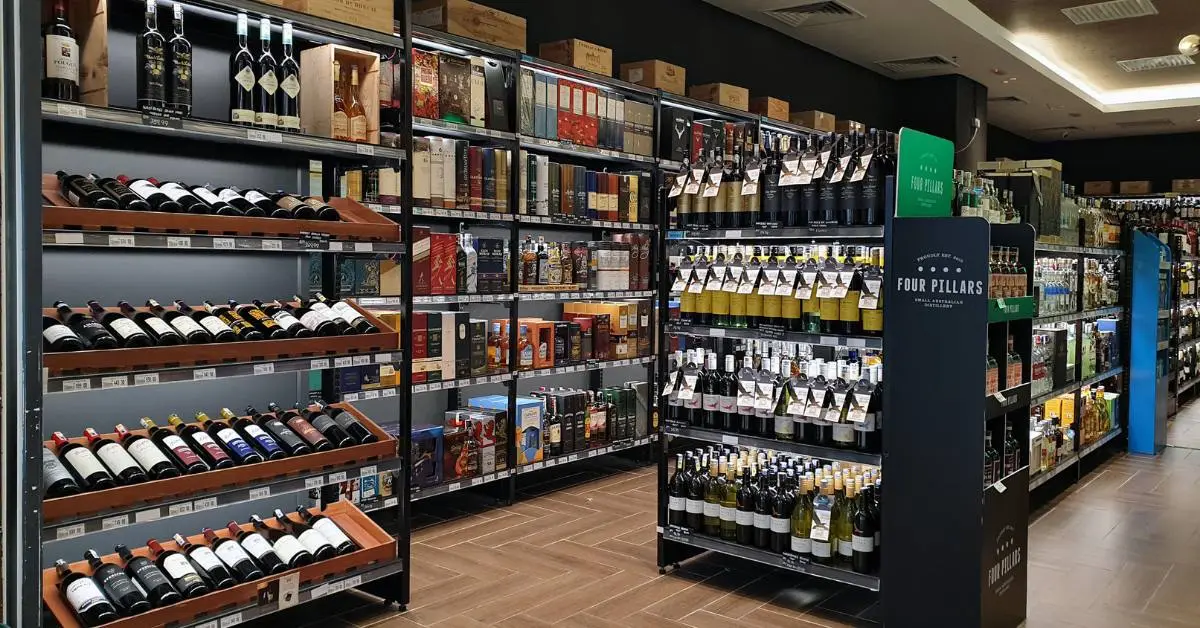
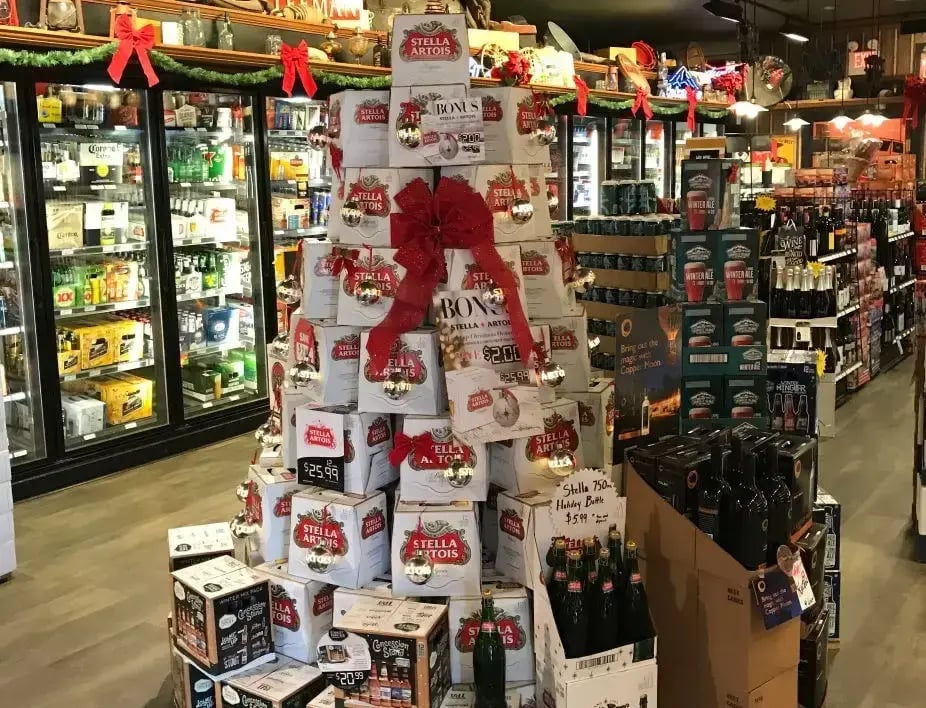
Whether it’s “Whiskeys of the World,” “Local Craft Beers,” or “Summer Cocktail Favorites,” themed displays can capture interest and encourage customers to explore items outside their usual purchases.
(Image source: Springs Group)
These displays are great year-round, but really stand out when planning for seasonal shifts. Plan themed displays at least two to three weeks before major holidays or seasonal transitions so you have time to gather materials, rearrange inventory, and promote new themes on social media or email.
Here are some additional tips to help you plan and set up your themed displays:
- Source materials from local vendors or distributors. Many provide free signage, shelf talkers, or display kits tied to promotions. Add simple décor like crates, risers, or lighting to match your theme.
- Create a planogram outlining product placement. Some brands supply these, but you can also base yours on POS reports (e.g. put high-margin or trending products at eye level or near busy areas).
- Choose display placement carefully, using your store’s entrances, endcaps, or checkout zones to draw attention.
- Install displays securely with proper fixtures and keep alcohol out of minors’ reach. Follow local ABC and TTB rules on labeling and promotional signage.
- Track performance weekly by comparing sales before and after setup. Review inventory turnover reports and units sold to see which items consistently move.
For any themed display, it’s important to keep the area clean and easily accessible. Wipe down surfaces daily, refill stock as customers purchase units, and refresh your signage as promotions change. A little extra effort makes customers more likely to stop, browse, and buy.

2. Don’t Sleep on Endcaps
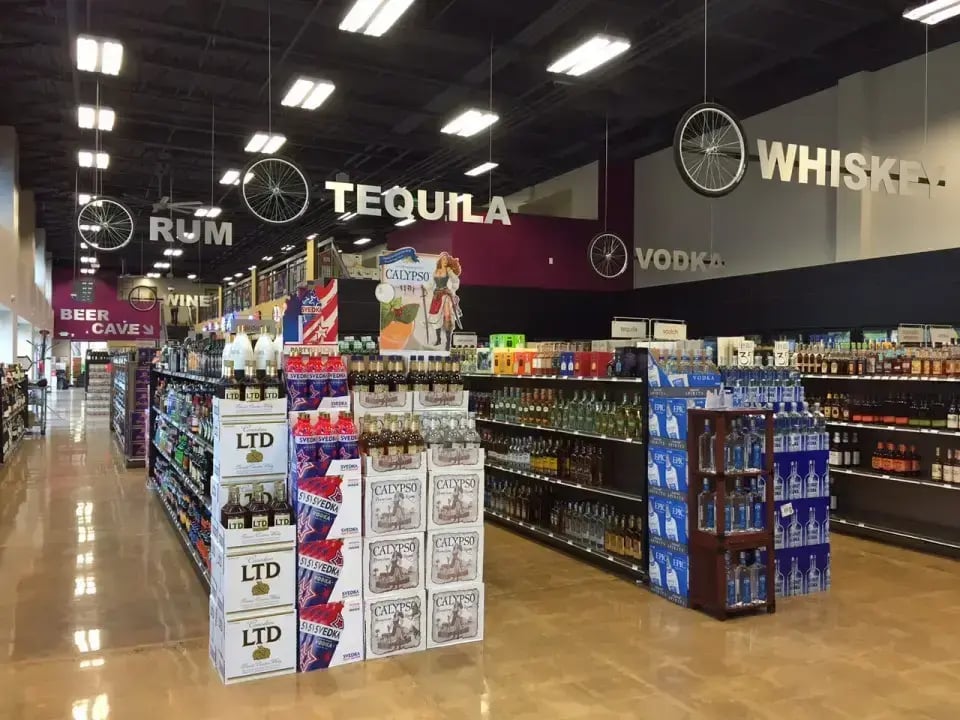
Endcaps are some of the most impactful display spots in your store, accounting for about 30% of total sales according to one study.
Since shoppers naturally pause at the end of aisles, these areas are ideal for featuring high-margin items, new arrivals, limited editions, or products that complement nearby merchandise.
(Image source: Market Watch)
Here are some tips to set up liquor display endcaps:
- Select complementary items that pair well together, like mixers with spirits or snacks with craft beer. POS data can show which combinations drive larger baskets.
- Use risers or tiered shelving so items are visible from every angle. Eye-level placement draws attention while lower tiers hold secondary items.
- Stock moderate quantities to avoid overcrowding the endcap. Use POS reports to keep top-sellers stocked and slow movers from taking prime space.
- Use clear, updateable signage. Include pricing, promotions, or product notes to help customers make a quick decision.
Endcaps may have a small footprint, but they can leave a big impact. Focusing on placement, visibility, and product selection helps you get the most out of these small-but-mighty displays.

3. Offer Product Sampling
Sampling is one of the fastest ways to increase awareness for new products. Customers are far more likely to buy when they’ve had a taste — especially for higher-priced bottles.
Plan tasting events a few days in advance to allow time for staff scheduling, permits, and prepping materials. Check your local regulations for tasting permits, and assign a trained staff member to verify IDs and monitor portions.
Here are some tips to run effective sampling events:
- Place tasting tables in high-traffic areas near related displays or endcaps. Include tasting notes, pairing suggestions, and small disposable cups to make the experience convenient.
- Measure all servings to stay in line with local regulations and minimize waste. Train staff on responsible pouring and ID verification to avoid violations.
- Track sales before and after each sampling event to see which products resonate. Adjust future tastings and displays based on what drives actual sales versus just curiosity.
Samplings also provide a valuable opportunity for direct product feedback. Ask customers about their preferred flavors, styles, or brands — then use these insights to refine future displays, adjust inventory, and plan which products to feature in upcoming promotions or endcaps.
4. Experiment With Cross-Merchandising
Cross-merchandising helps customers find everything they need in one convenient location. Pair related items like gin and tonic water, bourbon and bitters, or beer and snacks to encourage add-on purchases and make shopping more convenient.
Related Read: Liquor Store Merchandising 101: 5 Tips To Boost Sales
Here are some tips to make cross-merchandising effective:
- Group by usage occasion. Arrange bundled items, like a “Mix Your Own Mule” station with vodka, lime, and ginger beer.
- Highlight complementary price points. Pair premium bottles with mid-tier mixers or accessories to encourage incremental spending. POS data can show you which bundle deals sell best.
- Place related products on top of or next to each other with risers or tiered trays to catch attention without taking extra floor space.
- Rotate combinations with annual trends, like summer cocktails or winter warmers, and check POS reports to see what resonates.
Thoughtful cross-merchandising turns simple product groupings into practical suggestions that guide purchases and increase basket size, while POS data shows which combinations drive the most consistent sales.
5. Feature Local Items
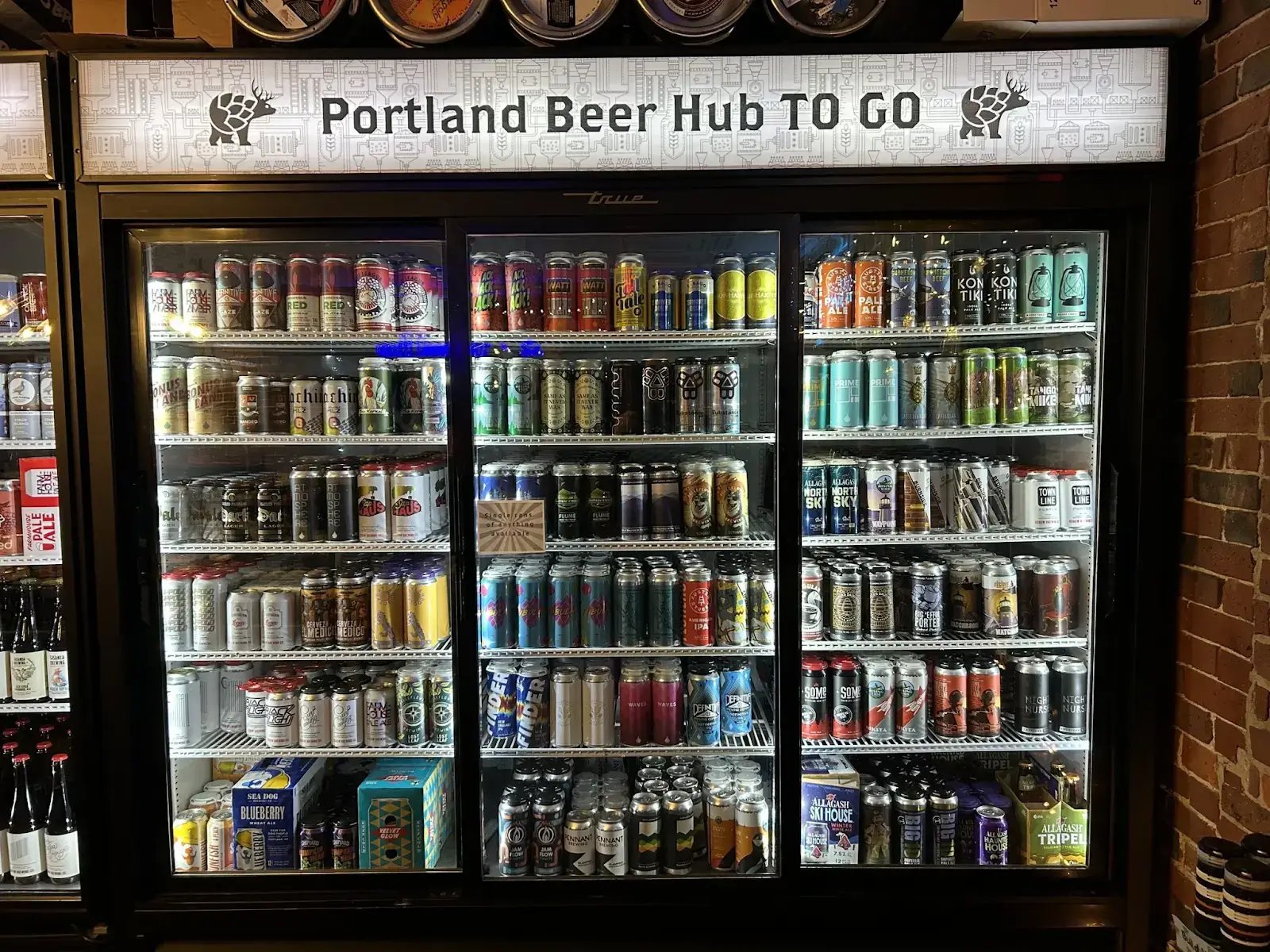
It’s always fun to find a product that comes from your city or state, so a display dedicated to local brews, wines, or spirits can give your store a distinct edge while also highlighting what makes your community unique.
(Image source: Portland Beer Hub)
Partnering with local suppliers benefits both sides — you can feature their latest releases or limited editions, and they gain a new sales channel and exposure to customers who value local products.
Coordinate with suppliers to schedule product drops, tastings, or featured displays, and share performance data to see which items are most popular. Small collaborations like signage, branded racks, or social media mentions help make the partnership visible and reinforce the local connection.
Here are some additional tips to make these displays stand out:
- Add signage with details about the distillery, brewery, or vineyard to showcase each product’s story and make it feel special.
- Group by type or flavor profile, like pairing local whiskeys or small-batch gins together, so customers can compare and explore.
- Use a dedicated shelf or endcap to give these items their own space rather than tucking them among standard inventory.
- Refresh stock frequently. Keep things fresh by swapping in new limited editions or seasonal items to maintain interest.
If your store carries a wide range of local or limited products, historical POS data can show which items move fastest, generate the most revenue, or have the highest units-per-transaction. Tracking units sold and sell-through rates gives insight into which products are most likely to perform well in future rotations.
6. Use Signage To Guide and Inform Customers
Displays catch attention, but clear, informative signage takes it one step further — helping customers make more informed purchasing decisions and spend more time browsing.
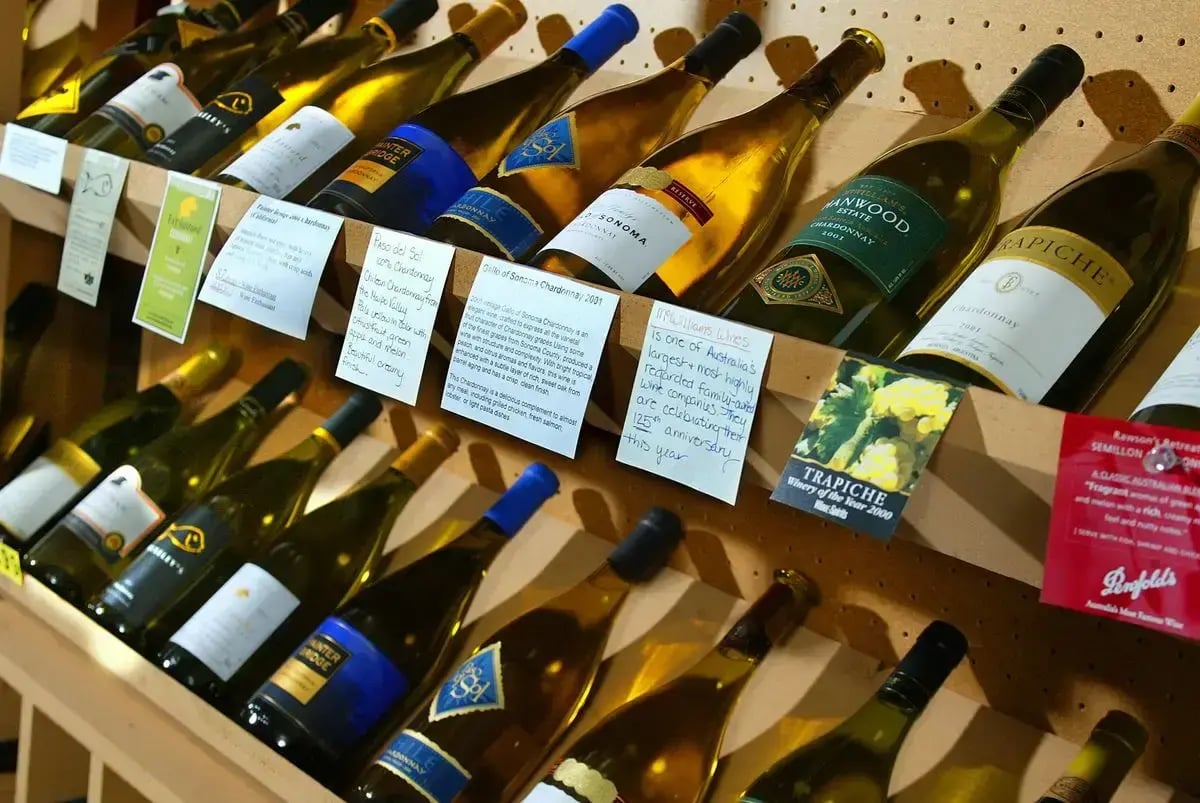
(Image source: Zbafree)
Signs can share tasting notes, pairing ideas, or the story behind a local distillery, brewery, or vineyard. When shoppers understand what makes a product special, they’re more likely to add it to their cart.
Here are ways to make signage work as part of a display:
- Include shelf tags with each product’s name, price, origin, and tasting notes so customers can quickly understand what makes each one unique.
- Highlight limited editions or local releases. Use a distinct color, shape, or icon on tags for exclusive products to make them stand out from the standard inventory.
- Refresh signage with new arrivals, seasonal items, or current promotions, and check POS data to verify that highlighted products are selling as intended.
- Use your POS system to print custom labels, keeping prices accurate and reducing errors across displays.
Consider creating signage templates for recurring promotions so you can quickly update and print new tags. Keep extra signage on hand for seasonal products or any last-minute changes.
When paired with well-curated displays, effective signage guides customers, highlights special products, and supports faster, confident purchase decisions.
7. Refresh Displays Regularly
Even the best displays lose their impact if they stay the same for too long. Regularly updating displays keeps your store looking fresh, encourages repeat visits, and gives customers new reasons to browse and purchase.
Related Read: Managing Seasonal Inventory for Your Liquor Store: 6 Steps to Success
Here are practical ways to refresh your displays:
- Rotate products with the seasons or holidays, such as swapping sparkling wine in the spring for limited-edition holiday lagers, to maintain relevance and interest.
- Feature new inventory or trending items. Highlight recently arrived products or top-sellers to draw attention and drive trial purchases.
- Pair slower-moving items with fast-selling products or place them on secondary displays to clear inventory without deep discounts.
- Change risers, crates, or signage placement to create a fresh look that catches shoppers’ eyes without a full redesign.
- Track performance with POS data. Monitor units sold, sell-through rates, and basket size to determine which displays need a refresh or rearrangement.
Treat each refresh as a marketing opportunity — photograph new or seasonal displays to share on social media or your website, while staying within local alcohol advertising regulations. This keeps your online presence active, reinforces your in-store promotions, and can attract shoppers specifically interested in seasonal or limited-edition items.
8. Set Up a Tasting Station
A tasting station is the first design element or display you may consider for your store. Tasting stations are powerful sales tools, allowing customers to sample featured products before purchasing. This tactic can be particularly effective when promoting new products you’re adding to your shelves or seasonal offerings.
Set up your tasting station by strategically arranging your featured items on a table or at the end of an aisle to draw attention. Include tasting notes, cocktail recipes, pairing suggestions, and staff insights or opinions to inspire customers. Supply small disposable cups, napkins, and glassware, and pour spouts to offer formal samples. Track product success during sampling events with your point of sale (POS) system. Look for items that see an uplift in unit sales during or after being featured.
Invest in quality signage to spotlight featured products. Linens, flowers, and accents like citrus wheels or olives help convey upscale sophistication. Most importantly, have knowledgeable staff engage with customers during tastings. Staff recommendations and the interactive experience of guided samplings encourage larger basket sizes.
NOTE: Confirm with your licensing board that your store’s liquor license allows for sampling on-premises before engaging in these offerings.
Use POS Data To Track Which Displays Actually Drive Sales
Ultimately, a good liquor display needs to be creative and strategic — grabbing shoppers’ attention while also guiding their choices. It needs to highlight what makes each product special and reflect your store’s personality, while still adapting to trends, seasons, and inventory shifts.
An industry-specific POS system like Bottle POS makes it simple to turn these display strategies into results. Beyond processing sales, it shows your best- and worst-performing products, customer preferences, and sales trends, giving you the insight needed to plan displays, manage inventory, and highlight high-potential items.
This data also helps you decide which products to feature in tastings, themed setups, or bundle deals, so every display works harder for your store.
Build your ideal setup today using Bottle POS’ free Build and Price tool, and see how a system designed for liquor retail can support smarter displays, better inventory management, and stronger sales.

With a degree in digital media and a minor in writing, Nate has been helping to explore the stories and unique characteristics of the liquor industry for the past three years. He highlights the synergy between the changing landscape of tech and liquor, and enjoys focusing on our customers’ experiences.