




The Full Pour: Recapping the Bottle POS Retail Liquor Summit 2026
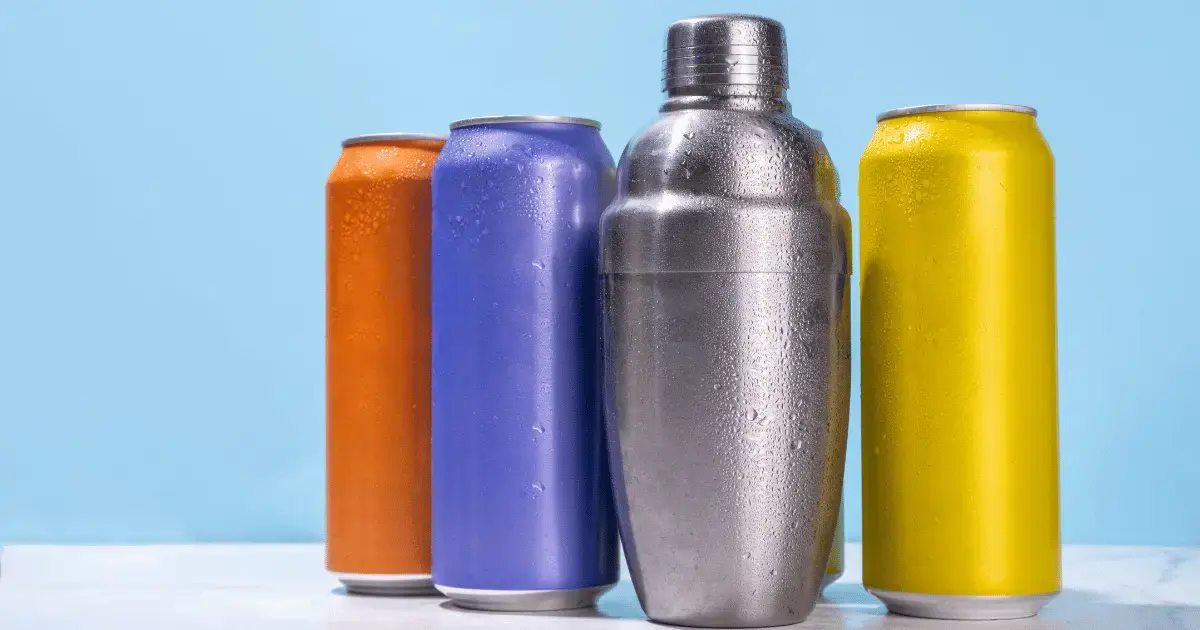
Five years ago, the ready-to-drink (RTD) cooler was mostly filled with hard seltzers and maybe a few premixed margaritas. Now it's one of the fastest-growing sections in liquor retail — and if your RTD section still looks like it did in 2021, you're behind.
The numbers tell the story. The U.S. RTD cocktail market hit $903.4 million in 2024 and will grow 15.3% annually through 2030. Spirit-based RTDs are growing even faster, at 22.6% per year. The top 27 spirits RTD brands moved 61.28 million cases in 2024, a 22.7% jump from the year before.
Meanwhile, the overall beverage alcohol market actually softened.
In our Liquor Retail Statistics and Trends Report, we found the same thing happening at the store level. The majority of liquor store owners we surveyed plan to expand their RTD selection this year, and the rise of RTD cocktails ranked among the top three trends they’re watching in 2026.
That's not a coincidence. Here's why RTDs deserve more of your shelf space — and what to think about as you expand.
RTDs Have Moved Past Hard Seltzer
Hard seltzer was all the rage for a while, but what took its place are spirit-based canned cocktails made with real tequila, bourbon, vodka, and rum.
For example:
- Casamigos launched its first-ever RTD margarita variety pack.
- Jack Daniel's teamed up with Coca-Cola for a canned Jack and Coke.
- Subourbon Life rolled out a bourbon espresso martini.
- Malibu and Dole are debuting a full line of rum-and-pineapple RTDs in early 2026.
- New Belgium Brewing is releasing a line of 10% ABV vodkas called Vandal Cocktails.
RTD cocktails gained 11 percentage points of market share in 2025 while malt-based seltzers dropped by 14 points. The category is growing and replacing what came before it with something customers are willing to spend more on.
Why It's Worth Expanding Your RTD Section
In our report, we found that store owners who are leaning into RTDs aren't doing it on a hunch. There are real, practical reasons this category is earning more shelf space.
Younger Drinkers Are Already Looking for It
Gen Z and younger millennials are driving RTD growth. More than 64% of millennials bought an RTD cocktail in the past year. They look past the cheap stuff and search for interesting flavors, brands they recognize from social media, and cocktails they don't have to mix themselves.
This is the generation that grew up with craft beer flights and single-origin pour-overs. They want the same variety from their cocktails.
Related Read: Gen Z’s Drinking Habits: What They Want From Your Liquor Store
Imagine a 27-year-old walks into your store on a Friday afternoon, looking for something to bring to a friend’s rooftop party. She doesn’t want a six-pack of lager or a bottle of vodka with three mixers. She wants six flavors of RTD cocktails she can throw in a tote bag.
If your RTD section is three flavors of hard seltzer and a dusty four-pack of premixed cosmos, she's walking out and ordering from Drizly instead. Your best bet? Trial a whole section of RTDs — including different brands and flavors — and signal to younger drinkers that your store gets it.
Your Nonalcoholic (NA) Section Has a Gap
Here's a number from our report that surprised us: 100% of the liquor stores we surveyed that carry nonalcoholic products already stock NA beer. Only 44% carry NA cocktails.
What an opportunity! The “sober curious” movement is gaining momentum. Gallup data shows only 54% of U.S. adults report drinking alcohol, the lowest since Gallup started tracking in 1939. Among adults 18–34, it's just 50%.
By stocking NA beer, you’re already attracting health-conscious shoppers. Why not give them another reason to spend?
Brands like Maison Perrier’s (Nestlé) new Chic mocktail line are launching products that look and taste premium enough to sit alongside alcoholic RTDs. If your competitors add these and you don't, that customer starts shopping somewhere else.
Related Read: Alcohol Trends 2026: What's Hot in Liquor Retail
Convenience Sells, Even When Budgets Are Tight
People value convenience. Consumer spending has tightened across the board, yet RTD cocktails keep growing.
A single can of a spirit-based RTD runs $4–$6. Compare that to buying a bottle of tequila, triple sec, and fresh limes just to make one margarita. For customers who want a cocktail without the effort, the canned version wins every time — especially for outdoor events, casual get-togethers, and last-minute purchases.
In our report, we found this pattern across the liquor retail landscape: Customers are trading down in some categories but trading up in categories that save them time. RTDs sit right in that sweet spot.
Another benefit is that a customer might not commit to a $35 bottle of mezcal they've never tried. But a $5 canned mezcal paloma? That's low-risk. If they like it, they’ll come back for the bottle. RTDs can serve as a gateway to bigger purchases elsewhere in your store.
The Quality Has Caught Up
RTDs used to be a novelty. They were the kind of thing you’d grab at a gas station — sugary and artificial. That reputation is now outdated.
Today's RTD market features brands using real spirits, natural ingredients, and recipes from actual bartenders:
- Casamigos puts real tequila in its margaritas.
- Edinburgh Gin launched a Raspberry Collins at 2% ABV.
- Yoju created an espresso martini made with soju and Vietnamese coffee.
The range now runs from $3 single cans to premium $12 four-packs, which means you can stock RTDs for the college kid buying one can and the couple grabbing a nice four-pack for date night.
For your liquor store, this means RTDs are less “impulse novelty” and more “a regular weekly purchase.” They deserve a real, carved-out space in your coolers. Also, states like Texas and Alabama are considering bills to allow spirits-based RTDs in grocery and convenience stores.
If these bills pass, the competitive landscape will get more crowded. So, build a strong RTD selection now and create brand and customer relationships to get ahead.
Mix and Match Opens Up Creative Promotions
Many RTD cocktails sell by the individual can, and that creates promotional opportunities you don't get with bottles.
Much like with beer and “build your own six-pack,” you could set up a "build your own four-pack" display where customers choose from a dozen different brands and flavors. It encourages them to try things they wouldn't commit to otherwise, it increases basket size, and it gives you real data on which SKUs move fastest.
In practice, you could create a simple bundle:
- Put together a "date night" pack: two RTD cocktails at $5 each, a $15 bottle of wine, and a $6 bag of snacks. That's a $31 bundle you can sell for $28, giving the customer a small discount while pushing your average transaction higher than if they'd just grabbed the wine and left.
In our report, we found that stores running creative bundling and promotions see stronger engagement across their product mix. RTDs fit this perfectly.
Build a "tailgate pack" with canned cocktails and craft beer. Create a "summer sampler" with one can each from six different brands. These cross-category promotions draw attention to your RTD section while lifting sales in other parts of the store.
Mix and match also works as a low-risk testing strategy. Bring in two or three cans of a new brand instead of a full case. If they sell quickly through the display, order more. If they sit, you're out a few dollars instead of a full case taking up space in the back.
Related Read: 7 Liquor Store Promotion Ideas That Actually Work
Track What's Working With Your POS Data
RTDs move fast. New brands launch every month, and a product trending in January could be collecting dust by summer. The stores getting this right are using sales data to make stocking decisions instead of guessing.
Here’s what you should keep an eye on:
- SKU-level performance: Which specific products are moving and which aren't? Auto ranking reports show you this at a glance, so you can adjust before slow sellers eat into your profit margins.
- Category trends: Are spirit-based RTDs outperforming malt-based ones in your store? Are margaritas growing faster than other cocktail styles? These patterns help you decide where to give more shelf space.
- Seasonal spikes: RTD sales surge around holidays, summer weekends, and big sporting events. Track your seasonal trends so you can stock up at the right time and avoid overbuying during slower months.
- New product velocity: When you bring in a new brand, how fast does the first case sell? Setting a benchmark helps you decide within a few weeks whether something deserves more space or should be cut.
- Customer data: Are the same customers buying RTDs weekly, or are you pulling in new faces? Loyalty data tells you whether RTDs are growing your customer base or just increasing existing basket sizes.
The stores in our report that are growing their RTD sales the fastest treat it as a data-driven category. Your liquor point of sale (POS) system should make that easy. If you're still eyeballing the shelf or relying on distributor recommendations alone, you're probably reordering the wrong products.
Related Read: Your Point of Sale Data Is a Goldmine. Here's How To Make the Most of It
RTDs Are Here To Stay — Don’t Get Left Behind
RTD cocktails aren't a side category anymore.
The market is growing at 15.3% annually, and spirit-based RTDs are growing even faster. In our report, the majority of liquor store owners told us they plan to expand their selection this year. If you're still treating your RTD cooler as an afterthought, you're probably losing customers to the store down the road that isn't.
The good news is you don't need to overhaul your floor plan. Start with a mix and match display, bring in a few new brands, track what sells, and let the data guide your next reorder.
Want the full picture? Our Liquor Retail Statistics and Trends Report covers the biggest shifts in the industry, what store owners are prioritizing this year, and where the opportunities are heading into 2026.


With 20 years in retail — 10 in the liquor industry — Kevin Patel has seen it all. A liquor store owner himself, Kevin wants to give other small business owners the technology to compete with big box stores. Kevin writes extensively about profits, marketing, and inventory management — three topics he believes every liquor store owner should learn about. "I built Bottle POS to make enterprise tools, mobile inventory, and cloud technology affordable so independent stores can compete with big chains."