




The Full Pour: Recapping the Bottle POS Retail Liquor Summit 2026
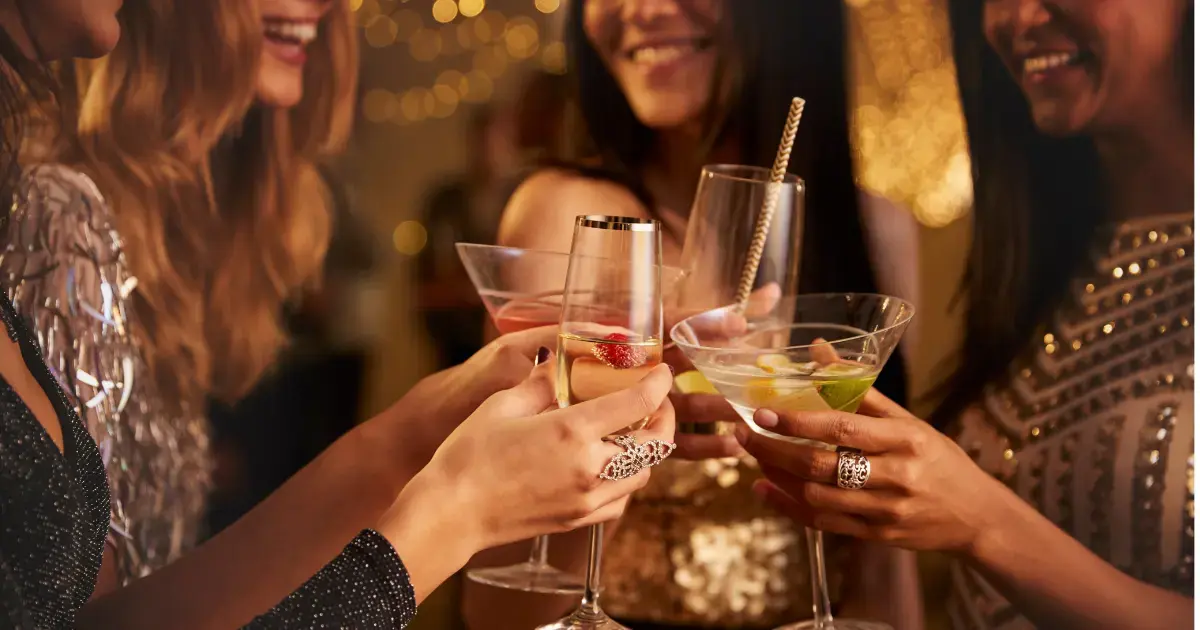
Gen Z is the newest generation of legal drinkers (about age 21–27). A lot has been written about how Gen Z’s drinking habits are changing, and how they’re destroying the liquor industry single-handedly.
But while liquor sales are down compared to previous years, the rising cost of goods is a more obvious culprit — not Gen Z. However, that doesn’t mean small liquor stores should carry on as normal and hope for the best.
Gen Z is drinking alcohol, but they’re drinking it differently — and if you want to meet these changing attitudes and find long-term success, you have to shake up your strategy.
In this blog, we’ll dive into key insights so you can understand Gen Z drinking habits and learn how to capture their business.
Liquor Sales: How Is Gen Z Different?
Let’s answer a key question first: Is Gen Z drinking less than other generations?
The answer is yes… sort of.
According to many sources, Gen Z is drinking less than previous generations. Three in five say they don’t consume alcohol at all or only drink rarely.
But that doesn’t tell the whole story. Other experts suggest that those initial numbers are low and Gen Z is now starting to drink more. In fact, some say Gen Z drinks two to three days a week, on average, and still drinks in social settings.
Put simply, it’s hard to see what’s happening by looking at numbers alone. It isn’t that Gen Z has cut out drinking entirely, they simply approach alcohol differently than previous generations.
Gen Z: Health-Conscious, Mindful, and Sober-Curious
So, if young people today don’t avoid alcohol altogether, what’s different? Here are a few things to know:
- “Sober-curious”: Dry January used to be one of the only times people took a deliberate break from drinking. Not anymore. Younger generations (including millennials) increasingly take breaks from drinking, substituting beer, wine, and cocktails with nonalcoholic (NA) equivalents.
- Hybrid buying: Younger drinkers aren’t divided into drinking or nondrinking camps. They usually do both. In fact, 93% of NA buyers also purchase alcohol. Customers expect liquor stores to be a one-stop shop for both boozy and zero-proof options.
- Healthy options: One of the main reasons Gen Z drinks less is for their health. But the rising popularity of functional spirits and botanicals shows there are plenty of products on offer for more health-conscious customers.
- Authenticity and communication: Gen Z is drawn more to businesses that genuinely understand their interests and take the time to educate them about new products and brands.
- Sustainability: Compared to older generations, younger generations care more about sustainability. That means highlighting the eco-friendly and ethically-minded brands on your shelves.
- Taste over ABV: Younger drinkers care less about what bottles have the highest ABV and more about what tastes better. Think sipping on a premium cocktail over slamming tequila shots.
These are just a few of the major observations, but no list can accurately sum up an entire generation — so take these statements with a grain of salt. The specific trends that affect your business depend on where your store is located and the demographics in your area.
If there’s one key takeaway to remember, it’s that Gen Z isn’t out of reach for your liquor store. You just need to adapt to their changing habits.
7 Tips To Boost Gen Z Liquor Sales
Gen Z is still drinking, but not in the ways we’re used to. That’s not a bad thing — it just means liquor store owners need to roll with the punches and embrace the shifts in drinking culture to find long-term success.
By adjusting your marketing, store layout, and selection, you can capture this younger market without sacrificing your existing customers or what makes your store unique.
Here are some tips to try out at your store.
1. Highlight (& Expand) Your NA Options
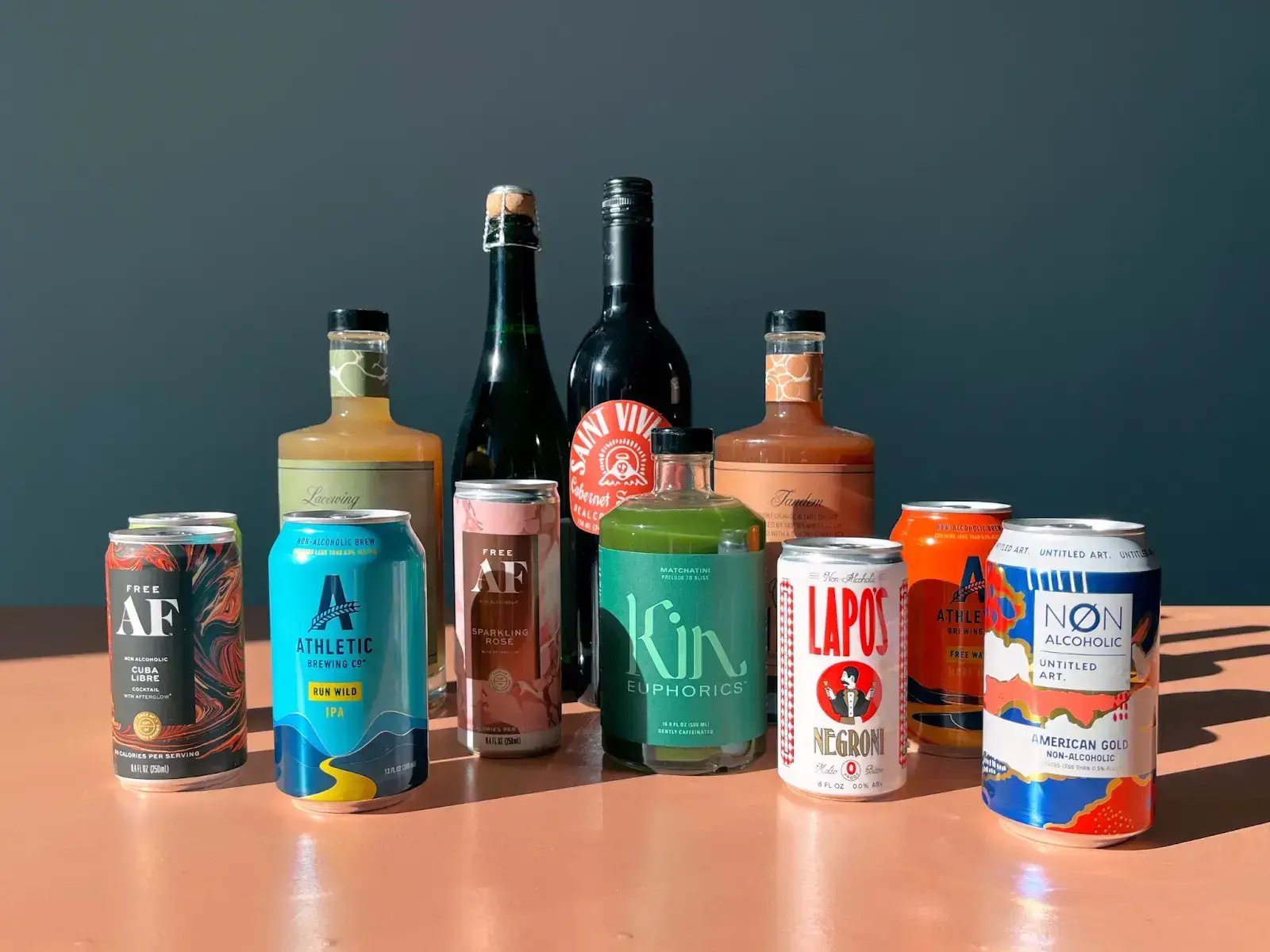
At many liquor stores, NA drinks are pushed to the back corner of beer fridges or given a small spot in a faraway aisle. This might be costing you sales.
Despite making up a relatively small amount of the total market, NA items are by far the fastest growing drink option on the market, especially among younger customers. To appeal to Gen Z, it might be time to rethink how you feature NA drinks in your store layout and marketing.
Create dedicated aisles for no- or low-alcohol options, with signage that focuses on the health benefits and fun instead of shame (e.g., “All the fun without the hangover”, “Great tasting zero-proof options”).
Many NA drink options are still carefully-crafted and priced at a premium — and that’s how you should sell them.
Use shelf-edge signage to highlight staff favorites, interesting facts about how they’re made, mocktail recipes, and other useful information. This ensures younger and sober-curious customers get the same great shopping experience as anyone else.
Of course, you don’t want to tie up your cash flow in overstocking NA items you aren’t sure will sell. We recommend starting with a smaller smattering of popular options. Then, use the sales data on your point of sale (POS) system to identify which brands and styles of NA drinks sell best and expand in those areas first.
|
Remember: In most cases, NA customers and alcohol buyers are one and the same. Just like when people go to small liquor stores for craft beer options they can’t find in a corporate chain or grocery store, customers will flock to your liquor store if you have a wealth of unique NA options. |
2. Showcase Unique & Eco-Friendly Brands
Advertising 15% off a popular (but standard) bottle of whiskey might work for older customers, but it won’t impress a generation that drinks mostly on special occasions.
Again, Gen Z isn’t completely abstaining from alcohol. But when they do drink, they want something unique — and they want it from brands they can trust.
To capture Gen Z’s attention, adjust your marketing to be less about current promotions and more about education. Use your newsletter and social media to talk about:
- Eco-friendly wine brands and distillers who take a more sustainable approach to their business
- Liquors with unique flavor profiles outside of the norm, or innovative brands that produce or package their products differently (like De Nada Tequila, which uses recyclable aluminum bottles)
- Local breweries and distilleries that can’t be found anywhere else (especially if you’ve partnered with distilleries for an exclusive run of bottles)
- Ingredients used in liquor, beer, and wine productions — how they’re sourced, the craftsmanship involved in using them, and any health benefits
- Limited-edition flavors and releases to create a sense of variety and urgency
Perhaps most importantly, praise variety. Gen Z isn’t looking for the same old staples — they want something special.
This doesn’t have to dominate your entire marketing strategy, but working in these elements (or segmenting your customers, more on that later) can help your liquor store stand out.
3. Invest More in RTD Cocktails and Cocktail Kits
Gen Z seems less interested in slamming shots at the bar. Instead, they sip on beautifully crafted homemade drinks or tasty ready-to-drink (RTD) cocktails.
RTD cocktails remain popular with Gen Z because they’re relatively affordable, come in low or no-ABV versions, and flavors are updated constantly. But RTD canned and bottled cocktails aren’t just popular with Gen Z — the majority of our liquor store customers tell us they plan to expand their selection of RTD options this year.
Consider reserving extra space in your fridges for RTD cocktail options. You can also place RTD bottled cocktails near your mixers. Make sure to highlight new flavor releases on your signage and in your marketing emails.
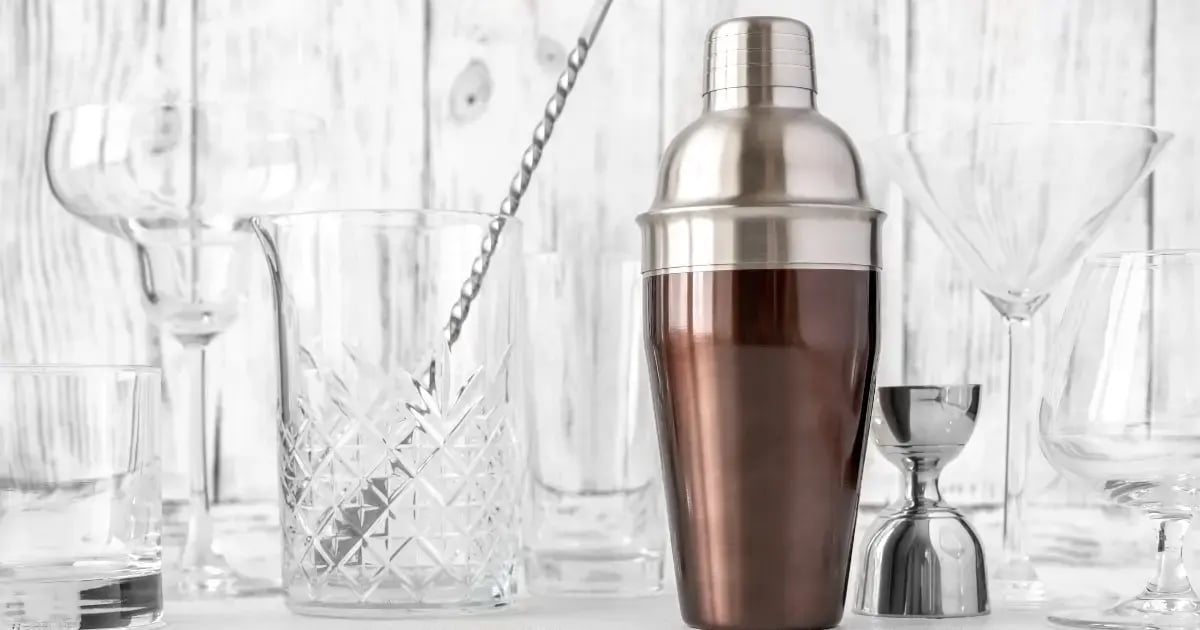
Compared to simply cracking a beer or opening a bottle of wine, making cocktails at a home bar with friends turns drinking into a fun experience. Cocktail recipes and recommendations are also a great way to upsell customers. Use your POS systems to create custom product bundles like:
- Barware sets with cocktail shakers, stirring glasses, strainers, and other cocktail essentials
- Cocktail bundles that include all necessary liquors at a discount and printed recipes (preferably for batch cocktails for parties and special events)
- Sampler cocktail bundles that use smaller bottles for one or two serving cocktails to try out different styles of drink
Position your store as a spot to get expert advice and fun ideas — not just a place to buy booze. Over time, when younger customers are in the mood for a drink, they’ll go to you first.
As mentioned above, Gen Z isn’t drinking to party hard — but drinking is still very much a part of their social life. Lean into the social aspect of drinking to capitalize on this trend in your store.
Not sure where to start? Start simple with these suggestions:
- Highlight food and drink pairings for a dinner party or a nice meal — like a recipe for a steak dish and some (lightly discounted) complementary red wines.
- Host in-store beer or wine tasting events to give attendees a unique experience and to let them try something new.
- Showcase your NA options as part of an active social and party scene (e.g., post your staff enjoying NA beers outside on your socials).
- Create bundles and written recipes for unique mocktails or international cocktails they might not have tried.
Emphasize the social aspect of your products both in store and in your digital marketing. This way, you encourage younger people to check in with your store for their next great Friday night hangout.
5. Take Your Selection Online
Millennials were arguably the last generation to grow up without the internet at their fingertips. Gen Z, on the other hand, has been fully online most of their life and expects the brands they shop at to provide a digital shopping experience.
Even if you don’t plan to sell online, it’s a good idea to use a liquor e-commerce integration on your POS system to list your stock digitally. This allows customers to browse your selection and see what’s in stock before they visit.
That said, offering convenient online sales is a great way to appeal to younger customers. Here are a few ways to do this:
- Sell online and either use your own vehicles or a carrier to provide deliveries in a limited area.
- Sell online and offer local pickup or curbside delivery.
- Integrate with a third-party system like DoorDash to list your inventory online and have them handle the last-mile logistics.*
*Note: DoorDash usually takes a percentage of the sale, so you might want to set a separate online sale price for these items to recoup your costs.
Related Read: 6 Ways To Build Your Liquor Store's Online Presence
6. Segment Your Customers
Shifting your marketing and store layout to appeal to Gen Z doesn’t mean abandoning what your existing customers love about your business. However, it does make it more difficult to create a cohesive marketing strategy.
Generally speaking, personalized offers are more effective than a one-size-fits-all approach. This doesn’t mean you need to take notes on each customer and send them separate emails.
Small liquor stores can personalize their marketing by creating “customer segments.” Customer segments are just a fancy way of saying you should divide up your customers based on their interests. For example:
- Craft beer lovers (e.g., customers who buy craft beer at least once every two weeks)
- Red wine drinkers (e.g., customers who’ve spent over $200 on red wines)
- Whiskey connoisseurs (e.g., customers who’ve bought whiskey bottles valued over $50 more than once in the last two months)
- NA drinkers (e.g., customers who’ve bought NA drinks on three or more visits)
The good news? Creating customer segments is easy on a modern liquor store POS system. Simply filter your customer contact information and sales history (usually gathered with a customer loyalty program) and assign customer groups. If you collect a customer’s date of birth, it can be as simple as creating a Gen Z segment for anyone born between 1997 and 2005.
From there, when you send marketing messages, you can specify which group to send them to. This lets you send out announcements and offers relevant to each group.
If you’re offering a general promotion or hosting an in-store event (e.g., a holiday sale or a wine tasting), it’s still not a bad idea to send those to everyone in your contact list.
7. Focus on Curation and Value
As you’ve likely noticed, many of these marketing tips aren’t only effective for Gen Z. Creating customer segments, refining your selection, and going online will help boost sales with all of your customers.
On that note, superior curation and value are top of mind for the majority of customers right now — but especially for Gen Z. With the cost of living on the rise, people don’t want to feel like they’re getting a bad deal.
That’s not the same thing as pushing the cheapest option. Customers simply want to feel like they’re getting good value for the money. One of the best ways to do this is to emphasize customer service. Get your staff up to speed on both traditional top sellers like whiskey, tequila, and wine, along with newcomers like NA drinks and RTD cocktails.
Use your POS system to track your customers’ sales history so your staff can easily give recommendations. While many people might be on a tight budget, friendly and knowledgeable employees can encourage them to splurge or try something new.
For Gen Z, who value businesses that invest in getting to know them, this extra attention can have a major impact.
Use Technology To Adapt to Gen Z Drinking Habits With Confidence
If the changes in Gen Z’s drinking habits are getting you down — cheer up! It’s undeniable that the liquor industry is going through a big change, but your business isn’t doomed.
By leaning into the types of marketing and products younger customers respond to, you can make the shopping experience at your store better for Gen Z and your older customers, too.
In other words, making your store better to shop at for Gen Z won’t make it worse for anyone else, and it’ll help you stay in business for years to come.
But monitoring sales of new products, segmenting customers, and making other changes is much harder if you don’t use the right tools.
Bottle POS is one of the only POS systems built specifically for liquor store owners to help them better manage their business.
With our extensive product database, inventory management features, detailed reporting tools, and customizable marketing, Bottle POS gives you everything you need to adapt to a changing liquor industry with confidence.
Don’t just take our word for it. Schedule a personalized demo today to see how Bottle POS can help you adapt your business strategy and stay ahead of big changes.

With 20 years in retail — 10 in the liquor industry — Kevin Patel has seen it all. A liquor store owner himself, Kevin wants to give other small business owners the technology to compete with big box stores. Kevin writes extensively about profits, marketing, and inventory management — three topics he believes every liquor store owner should learn about. "I built Bottle POS to make enterprise tools, mobile inventory, and cloud technology affordable so independent stores can compete with big chains."