




The Full Pour: Recapping the Bottle POS Retail Liquor Summit 2026
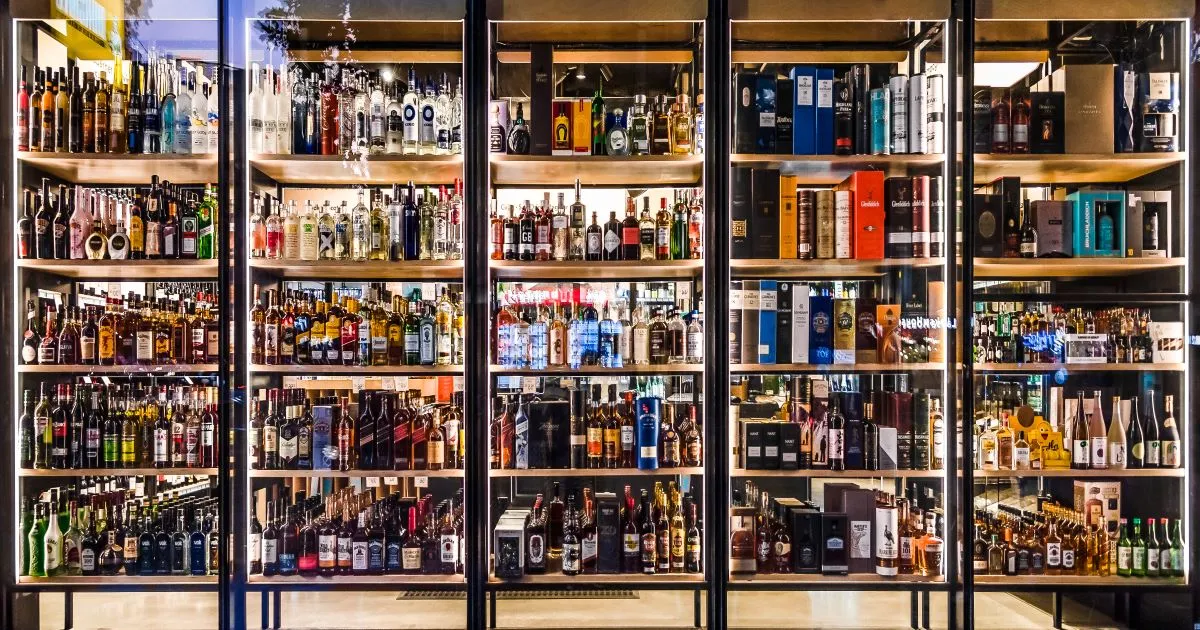
When customers crave an ice-cold beer or their favorite cocktail, they have plenty of options. They can pick up their favorite bottles from big-box players like Total Wine, convenience stores, and other locally-owned liquor stores or package stores in the area.
Local shops have one advantage that chains can never replicate: customers who prefer buying from someone they trust. The challenge is giving those shoppers clear reasons to choose your liquor store or package store every time they need a bottle for dinner, a tailgate, or a last-minute gift.
In this blog, we'll explore six ways to draw shoppers away from other liquor retailers, win them over, and keep them coming back — plus how a liquor-specific POS system makes each strategy easier to put into practice.
1. Start With Your Inventory
When a customer walks into your liquor store, they know exactly what they’re looking for — whether it’s their go-to bottle of Jim Beam or a celebration-worthy champagne.
That’s why our number-one tip is to make sure your selection meets (or exceeds) their expectations. If it doesn’t, they’ll turn to one of your competitors, and they might not give you another chance.
Here are three tips to create a winning product selection:
- Stock popular options: Keep a close eye on industry trends and your store’s sales reports to ensure you carry the most popular beers, wines, and liquors. Stock year-round favorites like Tito’s and Maker’s Mark, as well as seasonal picks like Sam Adams Cold Snap, fruit-forward spring wines, and cinnamon-infused spirits.
- Avoid stockouts: Empty shelves take a significant toll on your sales and reputation. If you can’t keep customers’ favorites in stock, they’ll rely on the store down the street. Use your liquor store's point of sale (POS) system’s real-time tracking, automated purchase orders, and low-stock alerts to maintain the perfect balance of inventory.
- Offer unique products: Keeping bestsellers in stock is the foundation for steady liquor store sales, but rare and trending bottles can truly set you apart. Consider partnering with local distilleries, breweries, and wineries to offer a curated selection that customers can’t find anywhere else.
Remember: Stocking the right products — including well-known bestsellers and rare, luxury bottles — is the best way to keep customers coming back.
Related Read: Managing and Selling Rare Liquors: Tips for Retail Success

2. Offer Online Sales and Delivery
Delivery apps have transformed the liquor store landscape. Instead of trekking to your liquor store or package store, customers can browse your aisles virtually and have their favorite beers, wines, spirits, and mixers delivered right to their door.
There are two main ways to set this up. The first is through a delivery app like DoorDash, which has millions of daily users and gives you the opportunity to reach a completely new demographic. The second is through a dedicated e-commerce platform like BottleZoo, a built-in solution included with Bottle POS that lets your in-stock products appear on your website and in online search results. Orders placed online flow directly into your POS, so you can fulfill them via curbside pickup or local delivery without adding extra work at the counter.
Before launching, make sure to:
- Confirm that your state allows home delivery of alcohol
- Verify the ID requirements that retailers must follow for deliveries
- Understand any restrictions on using third-party delivery services
- Check packaging and transport regulations to ensure compliance
The DoorDash x Bottle POS integration and BottleZoo both sync your inventory list, stock levels, and prices automatically, saving you time and ensuring you turn a profit on every order.
Metrics To Track
Measuring the impact of your online storefront helps you see what works and where you need to make adjustments. Tracking a few key metrics gives you insight into customer behavior, order patterns, and overall revenue performance.
Measure things like:
- Total online sales: Shows how much revenue your web store generates and lets you track it through POS sales reports
- Average order value: Reveals how much customers spend per order; calculate by dividing total revenue by number of online orders
- Repeat purchase rate: Tracks how often customers return to buy again, measured via customer profiles in your POS
- Cart abandonment rate: Indicates how many shoppers leave without completing checkout; compare initiated carts to completed orders
Using our weekend football game scenario from before, if total online sales jump by 15–20% during weekends and repeat purchase rate climbs to 25% or higher, it shows that fans are using the service regularly and the convenience is driving repeat orders.
On the other hand, if cart abandonment exceeds 30% during these same weekends, it suggests the checkout process may be confusing or popular products aren’t easy to find online.
Ensure that your product listings are clear, inventory is accurate, and the online checkout flow is straightforward to keep folks coming back.
3. Adjust Your Open Hours
Which liquor store will busy customers choose after work: the one that closes at 6 p.m., or the one that closes three hours later at 9 p.m.? Your store’s hours might seem like a small detail, but they can be a major differentiator.
Opening a little earlier or closing later than the competition can help you build customer loyalty — especially with the after-work shopping crowd.
Of course, expanding your open hours comes with extra work and higher labor costs, so experiment with different opening and closing times. For example, try opening an hour earlier on Saturday mornings and closing an hour later on Thursday and Friday evenings, then check your POS system’s sales reports to see if it’s worth the time and money.
4. Streamline Your Checkout Process
No one likes to wait in line, and long queues at the register can be off-putting for customers — especially when a quick errand turns into a frustrating wait. Fast, smooth checkouts are one of the easiest ways to set your liquor store or package store apart from bigger competitors where lines are notoriously slow.
With a modern POS system, you can dramatically reduce checkout times. Staff can quickly scan items, apply discounts, and even put transactions on hold if a customer needs to grab a forgotten bottle from another aisle.
Age verification is another area where the right tools make a real difference. Necessary as it is, manual ID checking slows things down and increases the risk of human error. An industry-specific POS system with built-in age verification triggers automatically when a cashier scans an age-restricted item. Staff can verify a customer's age by scanning their ID or manually entering their date of birth, and the system instantly calculates age, flags expired or suspicious IDs, and prevents the sale if necessary.
Metrics To Track
To make sure your checkout process is running efficiently, regularly review:
- Average transaction time: How long it takes to complete a sale, measured via POS timestamps
- Line length at peak hours: How quickly customers move through checkout, tracked manually or through POS reports
- Age verification errors: How often ID checks flag issues or cause delays
If average transaction time drops by 20 to 25% after implementing ID scanning and your error rate falls to near zero, your checkout setup is performing well. If lines still build during busy periods, consider adding a second terminal or allocating more staff to the checkout area.
5. Offer Outstanding Customer Service
When customers visit a local, independently-owned store like yours, they expect stellar customer service. Guiding them to the perfect white wine for a dinner party, offering your bourbon expertise, or pointing out your personal favorite products can help you turn one-time shoppers into lifelong customers.
Your employees are the face of your liquor store, so make sure they have the training they need to provide top-notch customer service and expert liquor and wine recommendations. This training should be ongoing rather than a one-time effort to keep them up to date on your latest offerings and promotions.
Making personalized recommendations is another way to set your liquor store apart. Use your POS software’s customer relationship management (CRM) system to track purchase history and keep detailed notes of each shopper’s preferences. This gives you and your team the information you need to make tailored recommendations.

6. Offer Customer Rewards and Loyalty Programs
Rewarding repeat customers keeps them coming back and helps your store stand out in the neighborhood — and with 35% of small business owners offering a liquor store loyalty program, joining the trend can help your store stay competitive.
Loyalty programs take many forms, from points that add up to discounts or free bottles, to themed bundle promotions and raffle-style giveaways.
Here are some ideas to tie loyalty program promotions to your calendar:
- Track seasonal events in your area (e.g., sports games, concerts, community fairs) and offer extra loyalty points for purchases during those times.
- Schedule limited-time promotions around holidays that give double points or exclusive rewards to loyalty members.
- Reward frequent shoppers with milestone perks, such as a complimentary bottle after a set number of visits, to encourage repeat engagement.
- Offer early access to special releases or seasonal products during slower months to draw customers in when traffic is lighter.
Some promotions, such as social media contests or product sampling, may have state-specific rules. Always confirm that any offer complies with local regulations for alcohol giveaways and advertising.
Your POS system can simplify both implementation and tracking. Bottle POS, for example, includes a built-in rewards system that tracks purchases by phone number. It automatically applies points or perks and captures key data to measure the success of each promotion.
Metrics To Track
To understand whether or not your loyalty program is driving repeat visits and increasing overall sales, routinely monitor metrics like:
- Enrollment rate: Shows how many customers are joining your loyalty program; measured by comparing the number of enrolled members to your total customer base in your POS
- Redemption rate: Indicates how often customers use points or rewards by comparing total points redeemed to points earned
- Repeat purchase frequency: Measures how often loyalty members return by recording visits per member over a set period
- Average spend per visit: Reveals whether loyalty members spend more than nonmembers by analyzing sales per transaction in your POS
For example, if repeat purchase frequency climbs 20% in a quarter and average spend per visit rises 10%, your program is successfully encouraging loyal behavior.
Alternatively, low redemption rates or engagement with your promotions may signal that rewards aren’t compelling enough or aren’t clearly communicated.
Make sure to review your program messaging, highlight top rewards, and consider adjusting point values or offer timing to better match customer preferences.
7. Host In-Store Events
Events are a win-win strategy for liquor stores. They serve as a powerful marketing tool to bring new customers through your door — and they also help you stand out from other liquor retailers in the area.
Tasting events, mixology classes, or holiday and seasonal-themed celebrations give you the opportunity to connect with the community, showcase your product selection, and make more sales.
Use your social media pages, email or SMS newsletter, and in-store signage to promote them. Don’t forget to offer special discounts and promotions to turn attendees into paying customers.
8. Spruce Up Your Layout and Displays
Our final tip is to make sure customers can find exactly what they’re looking for through smart display choices. Cramped aisles, confusing product categories, and cluttered shelves make for a less-than-excellent shopping experience — driving customers toward big-name chains.
To make their stops quicker and easier, focus on:
- Clear signage: Guide customers to tequilas, bourbons, and mixers using overhead signage.
- Cross-selling: Drive sales and create a more convenient shopping experience by displaying related items next to each other, like champagne and disposable flutes or tequila and margarita mix.
- Trending and impulse items: Place impulse items like disposable cups, airplane bottles, and canned ready-to-drink (RTD) cocktails near the checkout counter.
A smart floor plan and well-designed displays can boost sales and customer satisfaction.
Related Read: 7 Liquor Display Ideas To Maximize Liquor Store Sales
Crush the Competition With the Right Liquor Store POS System
Ready to put these strategies to work in your liquor store or package store? Let’s make sure you have the right tools.
Bottle POS, our all-in-one liquor store POS software, includes all the features you need to stock the right products, create the perfect shopping experience, and stay profitable, including:
- Real-time inventory monitoring with AI-powered analytics
- A built-in customer loyalty program and CRM
- Flexible promotions and pricing options
- Secure age verification to protect your liquor license
- E-commerce integration with DoorDash, BottleZoo, and more
Plus, you’ll have 24/7 access to our team of liquor store experts for support. See Bottle POS in action by scheduling your live demo today!

With 20 years in retail — 10 in the liquor industry — Kevin Patel has seen it all. A liquor store owner himself, Kevin wants to give other small business owners the technology to compete with big box stores. Kevin writes extensively about profits, marketing, and inventory management — three topics he believes every liquor store owner should learn about. "I built Bottle POS to make enterprise tools, mobile inventory, and cloud technology affordable so independent stores can compete with big chains."