Managing limited space and high demand
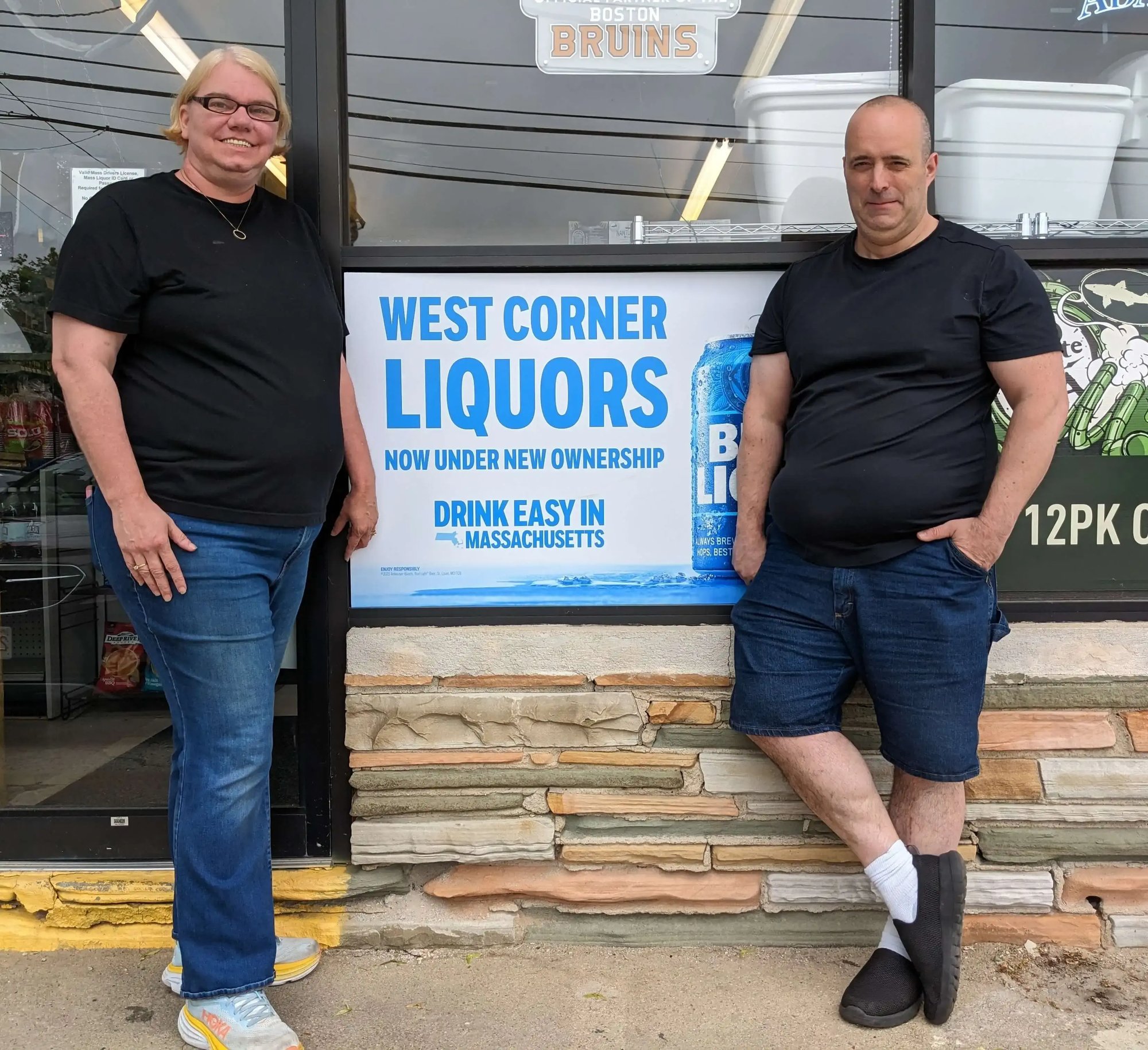
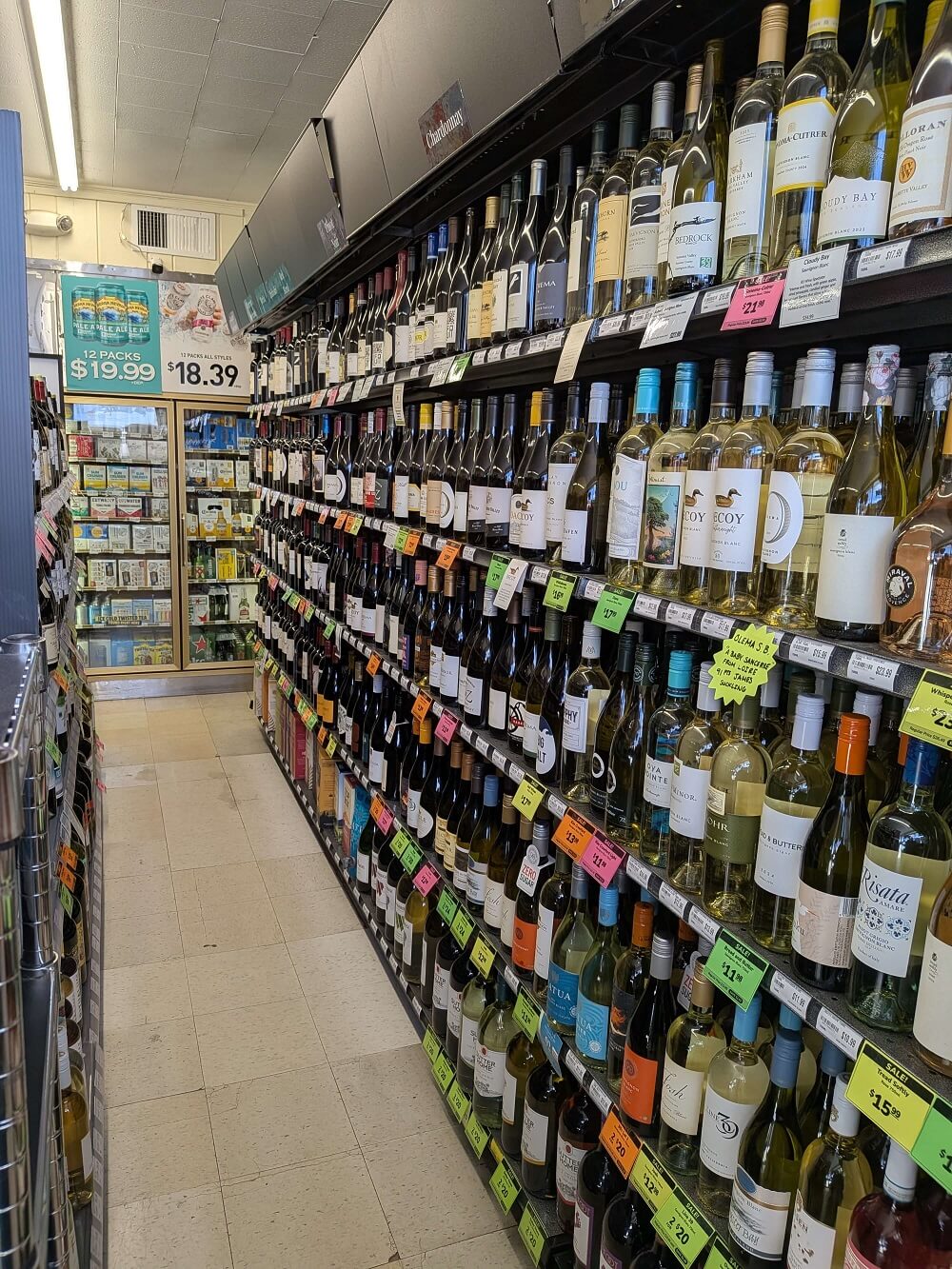
Hull, MA is a historic seaside town south of Boston, and West Corner Liquor sits just three minutes from the beach. It’s a popular store, but not the biggest, with a sales floor of just 600 square feet.
That means every item on the shelf has to earn its place.
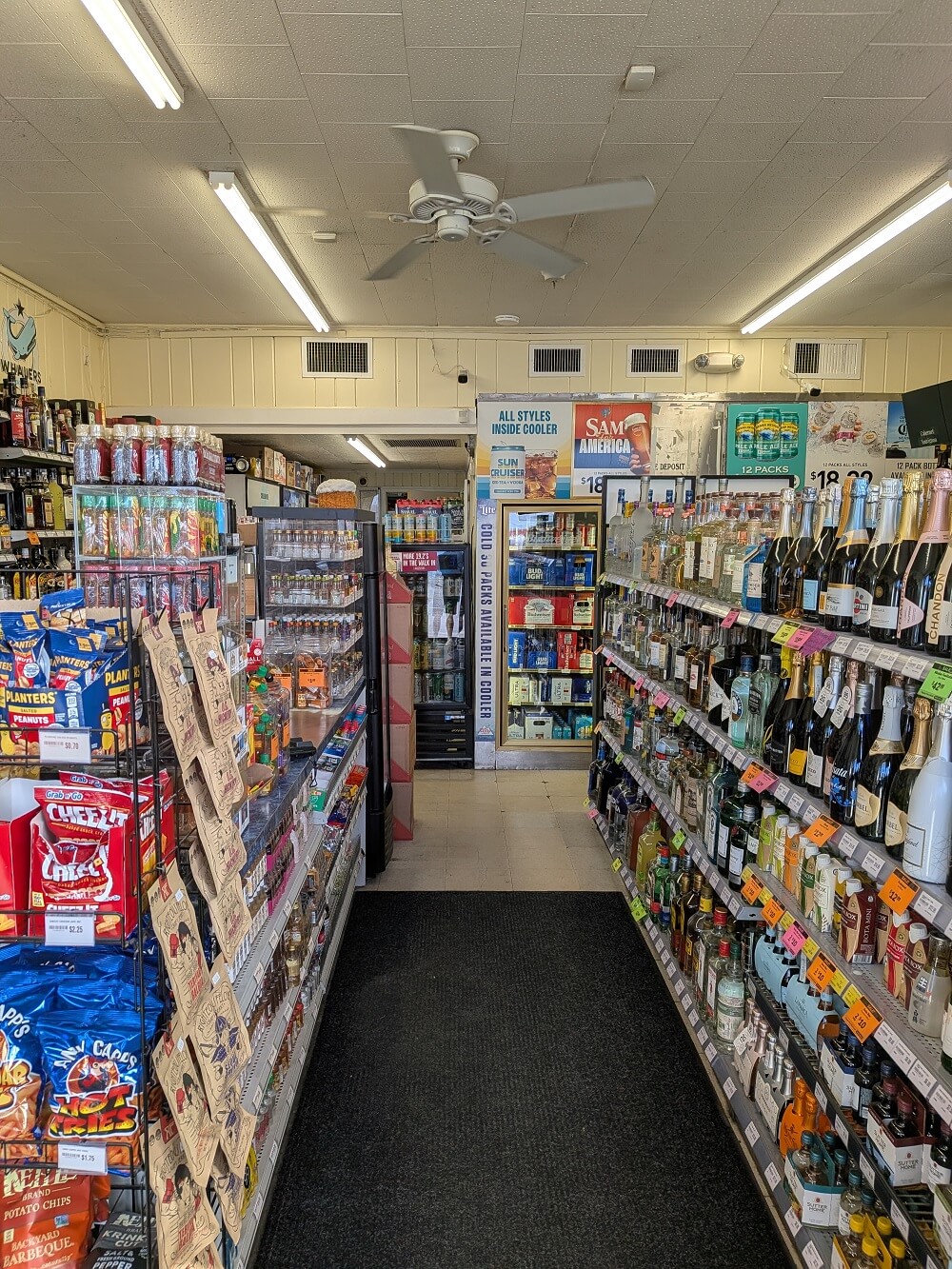
“The store is small, the parking lot’s small, so we try and get customers in and out as fast as possible. We don’t have space for the new thing that’s just going to sit on the shelf. It has to sell, and it has to sell fast.”
Limited space isn’t the only challenge for West Corner Liquors. The location also sees harsh weather that can knock out power and larger-than-normal swings in seasonal demand.
George takes all these hurdles in stride. “Even though we’re a small liquor store, we try to become a one-stop shop. We try to encourage bulk purchases and we don’t gouge on convenience items.”
-
600 sq. ft.
sales floor
Limited shelf space and aggressive stocking strategy
-
65%
seasonal sales swing
Over double the sales between winter and summer months
-
10%
lotto sales
Lotto accounts for nearly one in eight transactions on average
A false start with a popular POS system
West Corner Liquors has been around for decades. It used to run on basic cash registers and spreadsheets for inventory. Then, they moved on to smart registers, which pulled information from an on-site server and required a VPN for the sister location. These proved unreliable, as the server and VPN frequently needed maintenance.
After a while, the previous owner and George decided to adopt a modern point of sale (POS) system. The previous owner wanted something easy, and despite some misgivings on George’s part, they went with Square.
Unfortunately, issues with Square started right at onboarding. “Square’s onboarding was pretty much like, ‘here’s a spreadsheet, you load up the software and the register yourself.’ And I thought they were going to do this but no, it was just, ‘we’ll boot the system for you and then good luck.’”
Even when the system was running, George always had the sense it ran “good enough” but didn’t do everything he needed. The reporting didn’t give him the visibility needed to help with reordering and the inventory tracking options were limited.
“We transitioned to Square because it was easy and I think when we got into it, we found it didn’t really fit a liquor store.”
By far the biggest issue they had with Square was that it wasn’t reliable. The system would frequently go down, it didn’t have an option to process credit card transactions offline, and support was slow to respond. “Whether it was their credit card services, the backend, whatever the case may be — it was probably one to two times a month,” George recalls.
When George took over the store, he knew that Square wasn’t a long-term solution.
Evaluating liquor store POS software
When George started evaluating other POS systems, many flashy, popular providers promised they could handle liquor. Those promises fell apart the minute George asked about the number of SKUs the system could handle or more industry-specific aspects like bottle deposits.
George looked at Bottle POS back when the previous owner went with Square. He decided to give it a second look. In the end, he didn’t choose Bottle POS because it had the cleanest interface, but because it was reliable and could handle the core functions the store needed most.
“I think the biggest thing when choosing a POS system is knowing what your core needs are. It needs to be reliable. It needs to be able to hold the data that you need. You could have a POS system that runs web apps and all this other stuff, but if it doesn’t meet those core needs, don’t settle for anything less.”
George had initially intended to do a slow rollout with Bottle POS, but a major Square outage sped things up considerably.
“Funny thing is, I was planning to start Bottle probably a week or so later so I could get to know the system. Then Square had that giant crash three years ago. So that day, I called you guys and said, ‘we need to do today’ and I was up and running the next morning.”
A smoother, more reliable liquor POS system
Bottle POS was the reliable system West Corner Liquors needed. Not only are system outages nearly nonexistent, but Bottle’s ability to work offline and from a tablet means that George and Sharon can make sales even when the internet or goes down in a storm.
Better inventory tracking makes it easy for employees to look up what’s in stock and quickly answer customer questions. Bottle POS is also able to natively handle lotto sales, which make up about 10% of West Corner Liquors’ revenue.
George uses reports to help with daily operations, too, relying on daily sales and low-stock reports to ensure bestsellers are always available.
“For me, the biggest report I go to is the low-stock report. We had to tweak it because of our small size from the default 30 days to 14 days, but it’s the one I go to all the time because I’m always having to catch the stuff the day before or while the salesperson is at the store.”
Refining selection for better profits
Despite rising wholesale costs and more cost-conscious customers, West Corner Liquors has consistently improved profit margins and sales under George and Sharon’s ownership.
Key to their success is a refined and data driven product selection — and with such a small sales floor, planning for the peak summer months often starts in April.
Unlike larger stores that can experiment with large case drops of a new product, West Corner Liquors is much more selective when it comes to testing out new items. George primarily tries out new products in peak seasons or by stocking tall boys or four packs.
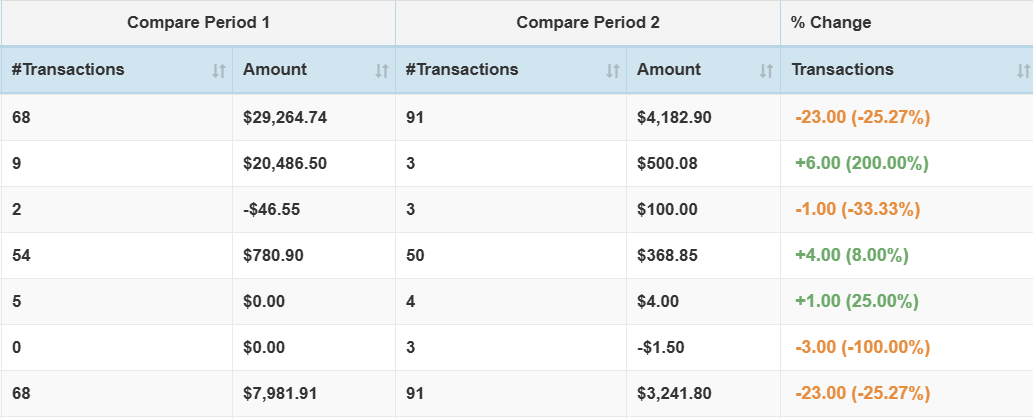
Then, it comes down to looking at sales numbers to get an honest assessment. He compares category and period sales for long term planning along with the auto ranking system to get an instant look at what’s selling and what needs to go.
-
+3.6%
YoY profit margin improvement
-
+2.5%
YoY basket size increase
“We’ll typically bring in like maybe five or six different four-packs so we can bring those in, see how they sell, and decide whether we filter them into the summer selection from there.”
Finding success with bulk promotions
Across the liquor industry, average basket size has dropped. After learning about this at the Bottle POS Retail Liquor Summit, George decided to start tracking basket size at his own store.
He found not only was West Corner Liquors bucking the trend, but basket sizes were up by nearly 3%. The biggest key to George’s success has been in running promotions that promote bulk purchases (e.g., 10% off six bottles or 15% off 12).
Even though they typically can't beat big chain store's prices on individual items, they've found success by creating discounts that provide a better deal when customers buy in bulk.
Embracing change, despite the small footprint
George and Sharon might need to limit the items they stock because of their size, but they still recognize the importance of keeping things fresh. When asked about why West Corner Liquors is finding success when so many shops struggle, George told us that playing it safe wasn’t an option.
“Many liquor stores go stale, you know, keeping the course and never changing. I’m always interested in change. It doesn’t always work out, but it’s good for the business overall.”
Whether it’s stocking the store with new ready-to-drink (RTD) options, trying new promotion ideas, or looking at new datasets, West Corner Liquors is always finding new ways forward.